
Climate Action that Inspires and Attracts with Robyn Curtis
The Rotary Club of Chilliwack started its Climate Change Action Group with just 10 concerned members. Five years later, its practical, welcoming approach is creating local and global projects, new partnerships, and an unexpected pathway into Rotary.
Climate action can feel overwhelming when the problem is global but the people ready to help are working at the community level. For Robyn Curtis, Chair of the Rotary Club of Chilliwack’s Climate Change Action Group (CCAG), the answer was not to wait for the perfect project. It was simply to begin.
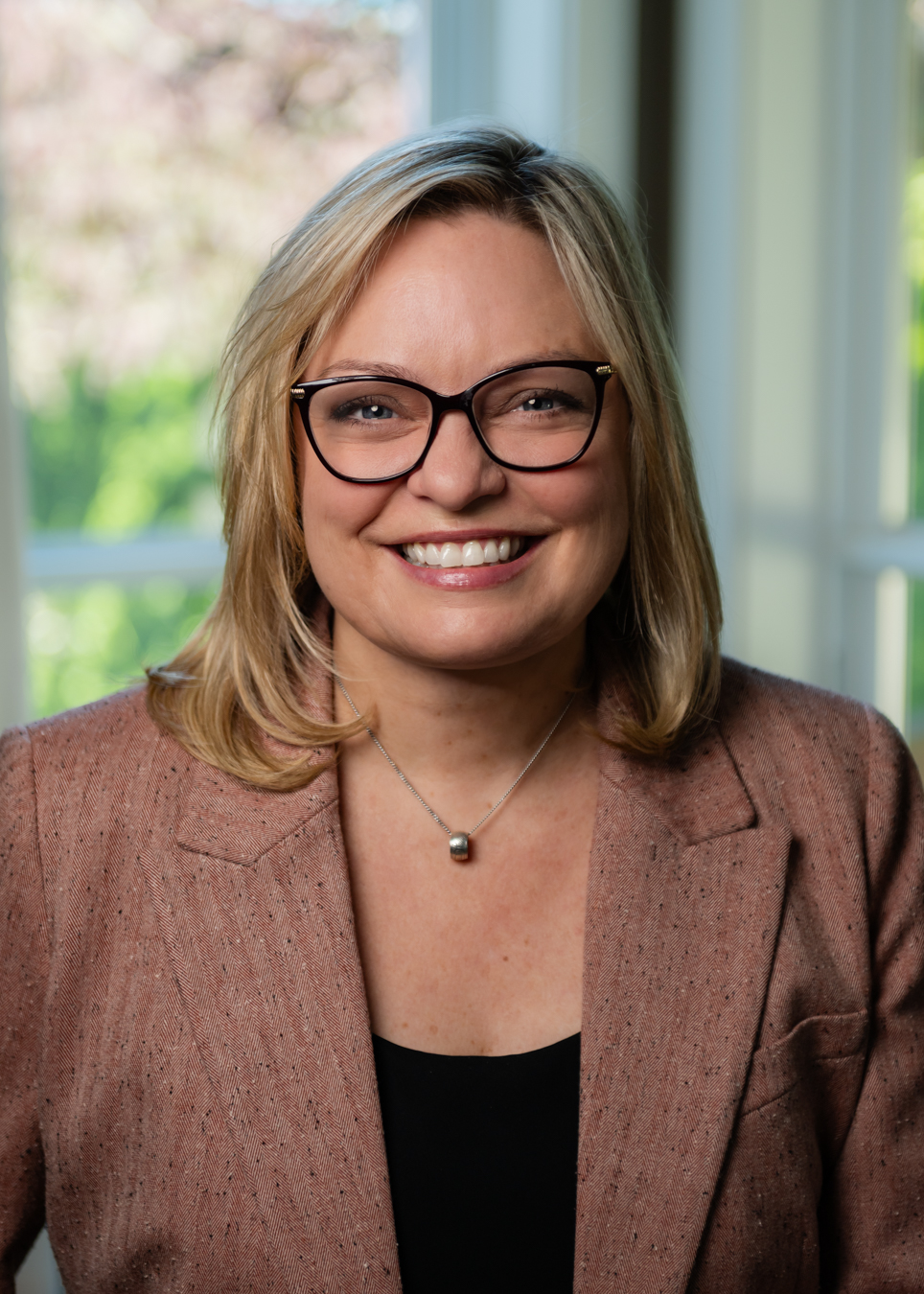
Curtis joined Rotary after looking for a place to contribute to climate work. When Rotary made protecting the environment its seventh area of focus, she saw an opportunity. With Dr. Tim Cooper and a small group of fellow Rotarians, she helped launch CCAG in 2021.
The group began with 10 people who shared a concern about climate change but were not yet sure what they could accomplish. Today, nearly 150 people are on its distribution list, and its projects stretch from schools and farms in British Columbia to communities in Uganda.
Start Somewhere, Then Build
CCAG deliberately concentrates on climate change mitigation, actions that reduce or prevent greenhouse gas emissions. But its projects show how broad that mission can become.
Members have helped Chilliwack plant 17,000 heat-resistant trees, established a climate-related university scholarship, developed elementary-school educational resources, supported youth-created climate videos, and found homes for 200,000 surplus red cedar seedlings that otherwise
Key Takeaways
- Start with willing people and achievable projects rather than waiting for a perfect climate strategy.
- Opening climate projects to nonmembers can strengthen community participation and attract future Rotary members.
- Partnerships with schools, governments, businesses, and experts can multiply a volunteer group’s impact.
- Climate projects can generate unexpected benefits in education, health, livelihoods and community relationships.
- A “climate conscience” can embed sustainability into everyday organizational decisions.
The group also created a carbon compensation program for Rotary-related travel, organizes public education about heat pumps, supports solar energy projects, writes educational articles, and participates in municipal and regional advisory discussions.
Instead of requiring every idea to be invented from scratch, Curtis encourages other Rotary clubs to borrow what works. Her playful version of “R&D” is “Rob and Duplicate,” an invitation to adapt successful projects to local circumstances and improve them.
Open the Door Before Asking People to Join
One of CCAG’s most consequential decisions was also one of its simplest: people do not need to be Rotarians to participate. Only about a quarter of the group’s members are Rotarians, Curtis said, and that openness has turned climate action into a recruitment pathway.
“We actually discovered it’s become one of the strongest recruitment tools for our club,” Curtis said. People may initially come because they are looking for somewhere to work on climate solutions. Once involved, they discover Rotary’s wider service mission and some ultimately join the club.
That model changes the traditional sequence. Instead of asking someone to become a member before participating, CCAG gives people a meaningful way to contribute first. It also welcomes those for whom formal Rotary membership may be a barrier.
“It’s become one of the strongest recruitment tools for our club.” Robyn Curtis
The approach recently earned the club an innovative membership award in its district. More importantly, it shows how environmental service can connect organizations with people actively looking for practical ways to contribute.
Climate Projects Create Unexpected Ripples
Some of CCAG’s most powerful results were not part of the original plan. The group’s climate fairs, for example, combined public education, a trade show, speakers, and a career fair. Vendors helped fund the events, allowing proceeds to support a project in Uganda involving reforestation, cleaner-burning Lorena cookstoves and community education.
Curtis described additional benefits reported by the group’s Ugandan partner, including changes in household responsibilities as cleaner cooking reduced the time required to gather fuel. A visit to Chilliwack’s recycling depot also helped inspire a recycling initiative in Masindi, Uganda.
“This wasn’t even part of the project; it’s just planting the seed,” Curtis said.
The experience illustrates a broader lesson: bringing people together around one environmental challenge can create relationships that lead to solutions elsewhere. Climate projects can become platforms for education, health, livelihoods, community participation and new partnerships.
CCAG has seen similar effects at home. Its growing presence has led to invitations to participate in planning conversations where Rotary had not traditionally been represented, including transportation and zero-emission mobility discussions.
Build a Climate Conscience Into Everyday Decisions
CCAG is now looking ahead to more youth education, solar guidance, electric-vehicle education, agricultural innovation and professional engagement. One project connects Simon Fraser University’s work on agrivoltaics, combining agriculture with solar generation, with local farmers and Indigenous communities. Another helped connect farms with a pilot program recycling agricultural plastics.
Curtis believes Rotary’s greatest strengths include relationships and the ability to connect people with complementary skills. In the presentation’s Q&A, she also suggested a broader principle for organizations trying to respond to climate change: develop a “climate conscience.”
“Whatever we’re doing, we think about how the climate conscience is thinking about how we do it,” she said.
That could mean reducing disposable materials at conferences, avoiding unnecessary travel, reconsidering purchasing choices, or simply asking whether an existing project could be delivered with a smaller footprint.
“Whatever we’re doing, we think about how the climate conscience is thinking about how we do it.” Robyn Curtis
For Curtis, this is not about making climate action compete with other service priorities. It is about weaving environmental awareness into work already underway, so that many small decisions begin moving in the same direction.
Practical Takeaways & Implications
The Chilliwack experience offers a replicable model for clubs and community organizations that want to act but are unsure where to start.
Begin with willing people rather than a perfect strategy. Bring scientists and technical specialists to the table, but also invite educators, communicators, farmers, businesspeople, and community connectors. Curtis emphasized during the discussion that climate groups benefit when people with different skills can “put their fingerprints” on projects.
Make participation accessible. Allowing nonmembers to join a project can expand capacity while introducing new people to the organization’s broader mission. Partnerships with schools, libraries, governments, universities, businesses and community organizations can extend that reach even further.
And think beyond standalone environmental projects. A climate conscience can apply to conferences, education, transportation, buildings, food, purchasing, and existing service programs.
Perhaps most importantly, do not underestimate collective action. Curtis closed by pointing to the next generation and the future she hopes they will inherit. With Rotary’s global reach, she argued, modest contributions can add up.
The Chilliwack story suggests that meaningful climate action does not always begin with a grand plan. Sometimes it begins with a few people saying, “We have to start somewhere.”
About This Earth Talk
Speaker: Robyn Curtis holds a degree in Biology from the University of Victoria and a Commercial Pilot’s License. She has spent 25 years in aviation and now works as a consultant, primarily supporting airports. A Rotary Club of Chilliwack member since 2018, she chairs its Climate Change Action Group.
Presented: September 24, 2026
🎥 Watch on YouTube: Link
🎧 Listen as a Podcast: Link
📖 Read the Blog: LINK
🌱 Learn more / Project links: Rotary Club of Chilliwack Climate Change Action Group