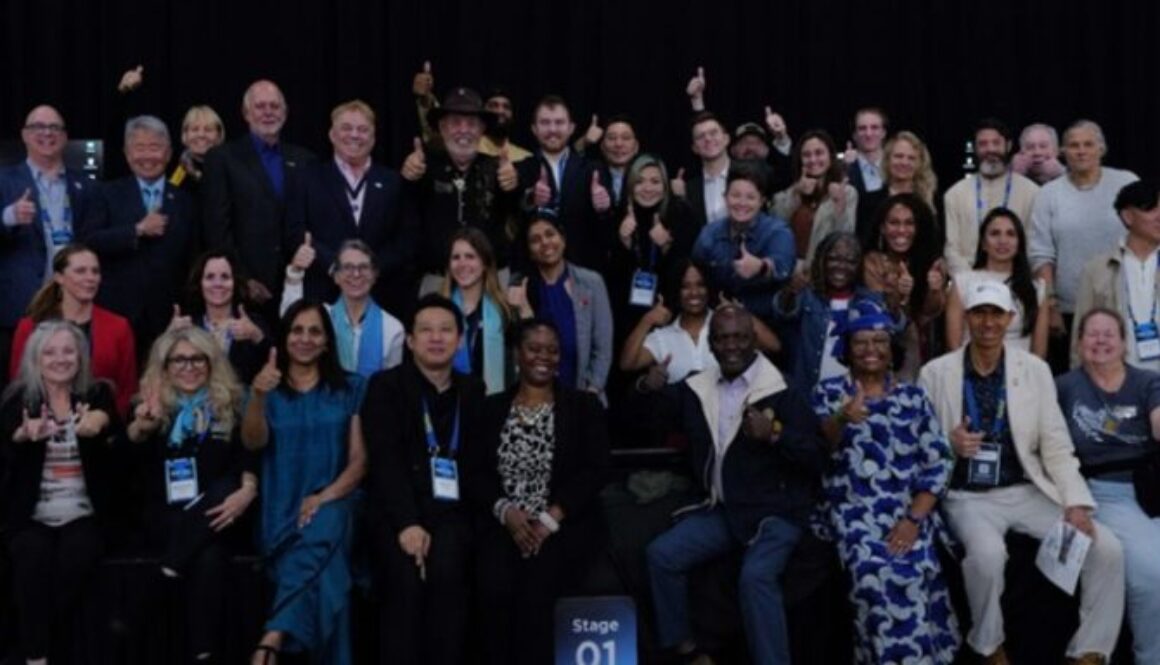
What turns an environmental event into a lasting catalyst for change? At the Environmental Xperience in Dallas, the answer lies in connection, collaboration, and community-driven action.
Introduction
In a world filled with conferences and climate conversations, only a few experiences truly stay with people—shaping how they think, act, and collaborate. The Environmental Xperience in Dallas, held April 19–22, is one of those rare gatherings.
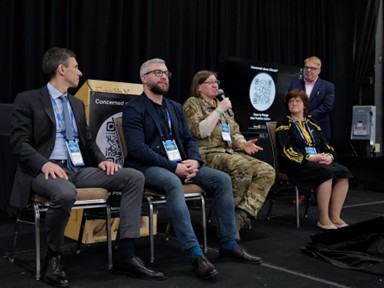
Bringing together innovators, nonprofit leaders, students, and global experts, the event was designed as an immersive exploration of environmental solutions. At a recent Earth Talks session, three voices—Steve Bender, Anysa Santini (with JC Santini), and Laurie Zuckerman—reflected on what made this year’s experience so powerful.
Their stories revealed that the “X-factor” wasn’t a single feature or even the programming itself—it was the relationships formed along the way. What unfolded over three days wasn’t just a conference, but a living demonstration of what happens when people, purpose, and possibility come together to turn ideas into action.
Key Insights
Designed as a Platform for Action, Not Just Ideas
From the outset, the Environmental Xperience was built with a clear purpose: to move beyond conversation and into tangible outcomes.
The gathering served as “a convergence of vision, leadership, and collective momentum,” where dialogue evolved into direction and partnerships translated into real initiatives.
This aligns closely with what attendees experienced on the ground. Rather than isolated sessions, the event functioned as a coordinated ecosystem—bringing together policymakers, entrepreneurs, scientists, and community leaders to actively shape solutions.