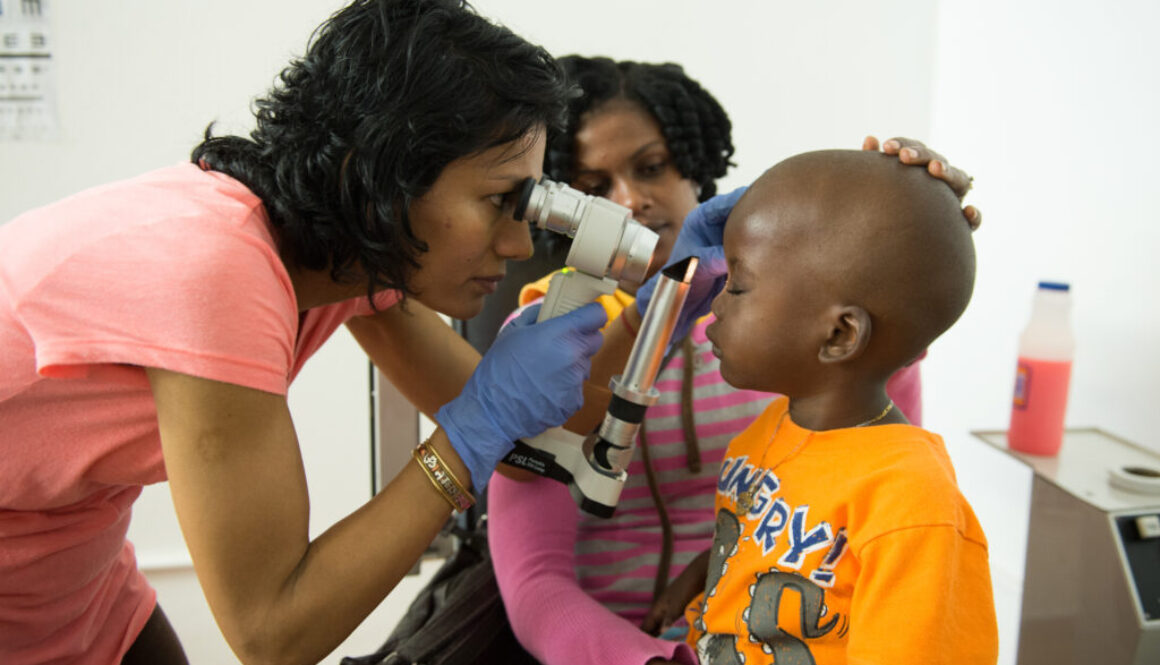
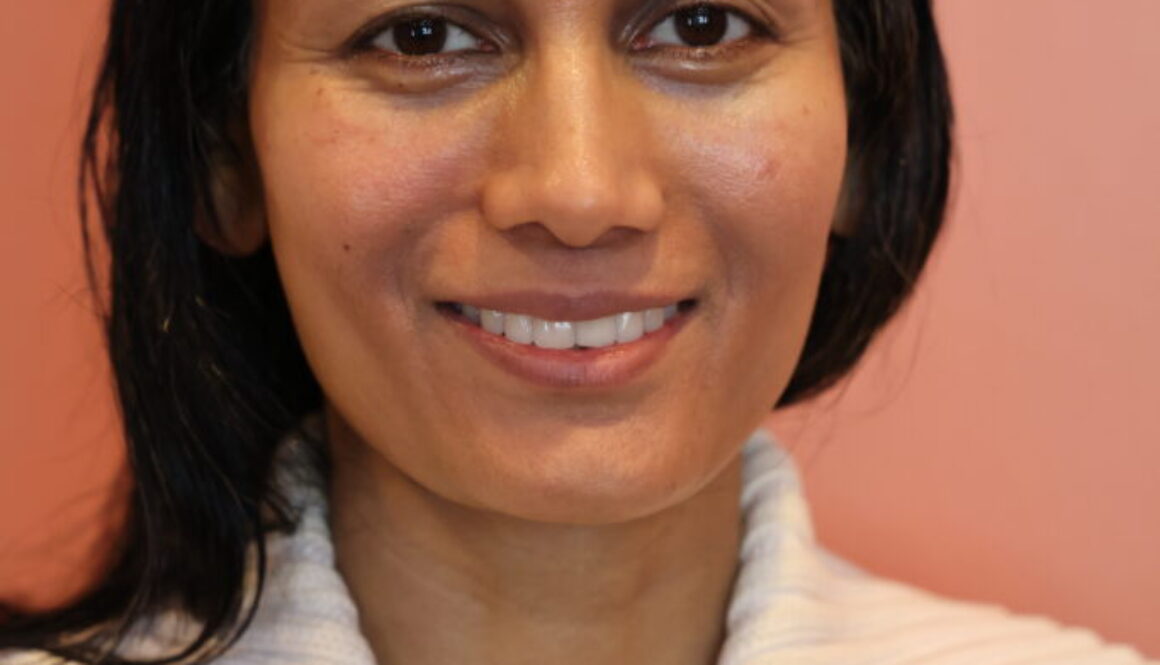
For Chandra, stories like this are not extraordinary. They are the reason she has dedicated more than 16 years to providing eye care in underserved communities around the world. What began as a volunteer mission after optometry school became a lifelong commitment — and ultimately a permanent eye clinic in rural Haiti that has now provided more than 120,000 free eye exams and restored sight for thousands.
Today, however, the clinic faces an uncertain future amid ongoing instability in Haiti, making Chandra’s work more urgent than ever.
A Promise That Changed a Career
After completing her residency at the State University of New York College of Optometry, Chandra stood at a crossroads. She had stable job offers in New York City and a clear professional path ahead.
But she also carried a promise she had made before leaving India, where she was born: if she ever had the opportunity to succeed, she would not forget those without access to care.
That promise led her to the Himalayas for her first volunteer eye camp. There, she witnessed both the transformative power of basic eye care and the devastating consequences of its absence.
Some patients walked for six hours just to receive an exam. Children saw clearly for the first time after receiving glasses. Elderly patients regained the ability to cook, sew clothing, and care for themselves.
But not every story ended well.
One man, a 40-year-old monk, arrived after hearing that “doctors from America” were visiting. He told Chandra his world had gone completely dark and asked whether anyone could bring back the light.
“He was completely blind from glaucoma,” she recalled. “There was nothing I could do.”
The experience changed her understanding of healthcare access. The tragedy was not simply blindness — it was preventable blindness.
“It didn’t have to be this way,” she said.
Beyond Short-Term Missions
Chandra soon realized that temporary medical missions, while valuable, could not solve systemic problems. Communities needed consistent, year-round care delivered by trained professionals.
That realization became especially clear when she began working in Haiti in 2010.
In Fond-des-Blancs, a rural mountainous region several hours from Port-au-Prince, patients lined up overnight outside hospitals waiting for care. Many traveled by donkey or motorcycle over rough dirt roads. Some slept on the ground for days hoping to be seen.
The need was overwhelming.