The program also builds confidence and responsibility. Inmates help construct hives in prison workshops, manage colonies, and eventually process honey in a purpose-built lab. Even small-scale production—starting with just five hives—creates a sense of ownership and achievement.
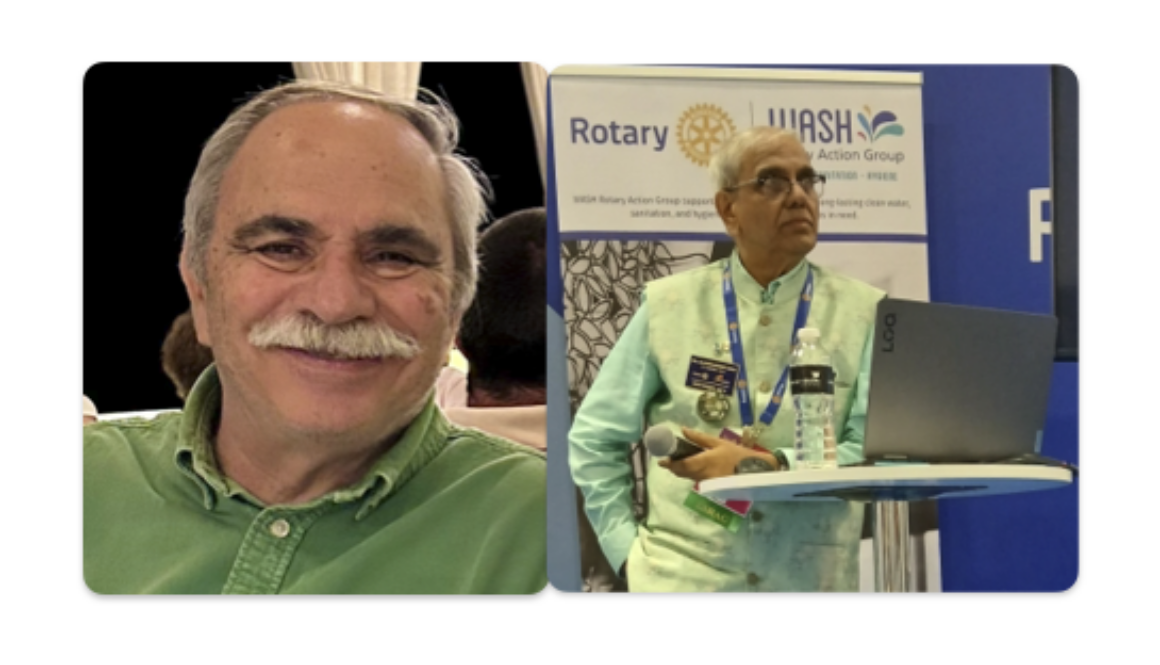
Today, over 300 inmates are involved in beekeeping projects across twelve prisons in Italy with three Rotary Clubs. Figus hopes that projects like this are replicated on a large scale.
The Eco Club Network and District 2080 are planning an in-person Rotary networking event to strengthen Rotary networks focused on environmental sustainability and connections, fostering broader collaboration among clubs and developing environmental projects on a larger scale, including major projects exceeding $2,000,000.
This is rehabilitation through nature: practical, dignified, and forward-looking. Figus adds, “I believe that if we combine our dreams and our ability to engage our fellow Rotarians, no challenge is insurmountable.”
- From Concrete to Canopy: The Power of Miyawaki Forests
While bees restore ecosystems at a micro level, Saraf’s work focuses on transforming entire landscapes using the Miyawaki method—a technique for growing dense, native forests in small urban spaces.
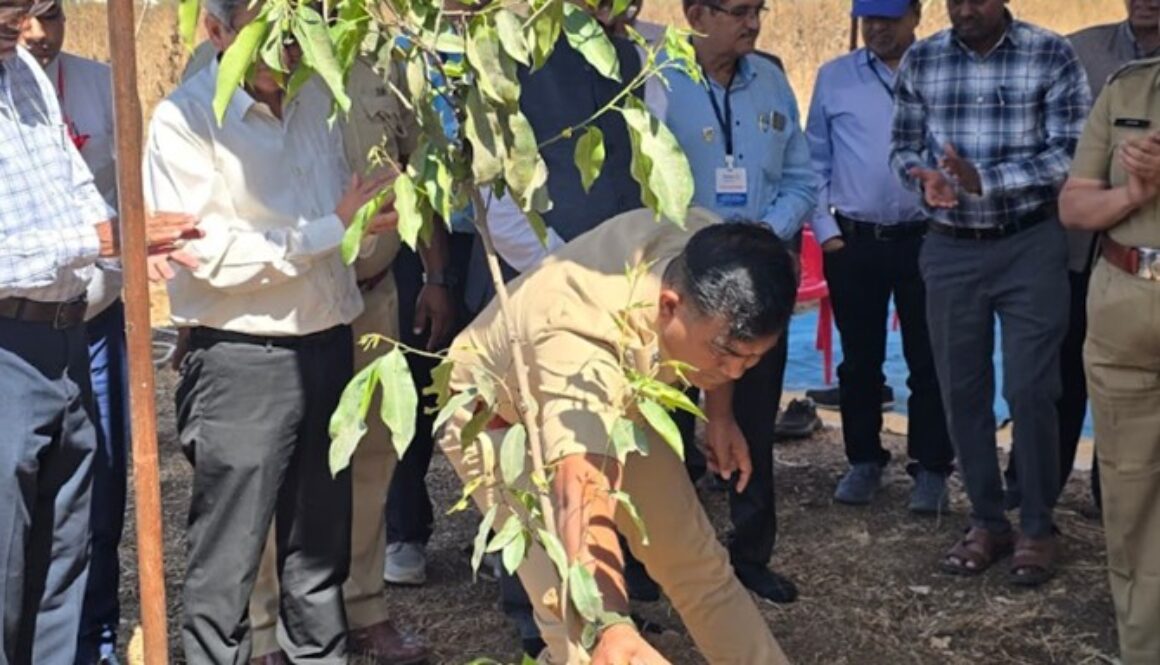
In a large prison complex in Maharashtra, India, a two-acre plot is being converted into a “mini forest” with remarkable characteristics:
- Up to 30 times denser than conventional plantations
- Growth rates up to 10 times faster
- Multiple vegetation layers, from ground cover to tall canopy
Dense forest project is being implemented on the land provided by Mr. Suhas Warke (IPS) Additional Director General of Police and Inspector General of Prisons and Correctional Services, Pune, Maharashtra. Rotary Club of Pune Tilak Road is executing the project handed over by Environment Avenue of RID 3131.
Unlike traditional tree planting, Miyawaki forests mimic natural ecosystems. Diverse species grow together, forming symbiotic relationships that strengthen resilience and reduce disease.
“The trees… have a symbiotic relationship. Their roots talk with each other,” Saraf explains.
This approach turns degraded or unused land into self-sustaining ecosystems within just a few years.
- Cooling Cities and Capturing Carbon
Urban areas are increasingly affected by the “heat island” effect, where concrete and asphalt trap heat, raising temperatures and worsening air quality.