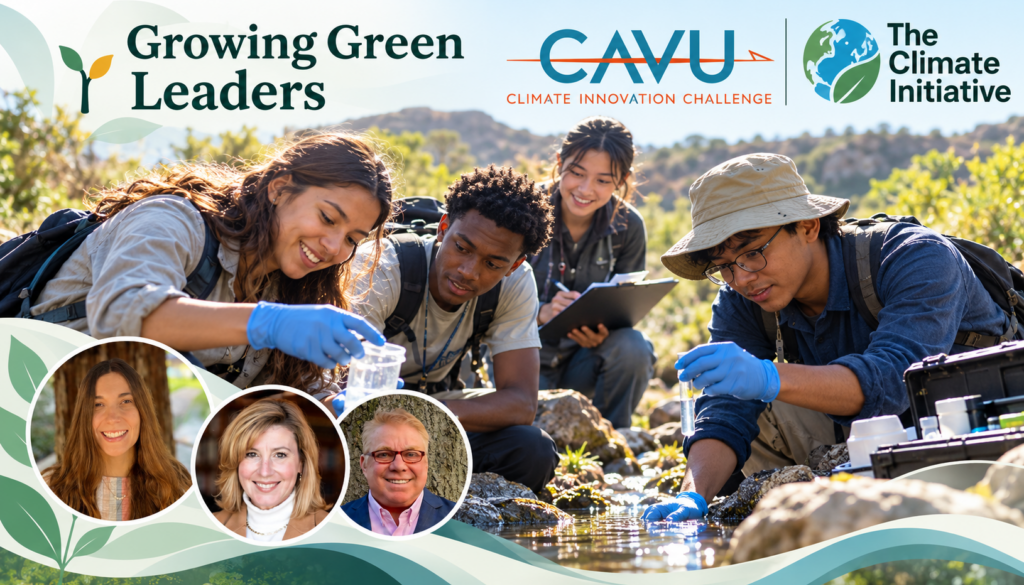
Growing Green Leaders One Classroom at a Time with Steve Bender, Leia Lowery, and Rebecca VanArnam
Across classrooms and communities worldwide, a new partnership is helping young people transform climate concerns into practical solutions, leadership skills, and stories that inspire others.
Introduction
What happens when young people learn about climate change but feel powerless to do anything about it?
For many students, environmental education can bring anxiety rather than optimism. They understand the challenges facing the planet, yet struggle to see how their own actions could make a difference.
A new initiative called Growing Green Leaders aims to change that experience.
Presented during the October 15, 2026, Earth Talks program, sustainability leader Steve Bender joined educators Leia Lowery and Rebecca VanArnam to introduce a collaboration connecting climate education, community action, and youth storytelling.
By bringing together The Climate Initiative (TCI), CAVU, and Rotary’s international network, the partnership offers a practical pathway for students to become environmental problem-solvers.
Its central message is encouraging: Young people do not need to wait until adulthood to become leaders. They can begin in their own communities today.
Key Takeaways
- Climate education becomes empowering when students can address environmental challenges in their own communities.
- Growing Green Leaders connects climate education, youth leadership, storytelling, and community partnerships.
- Teachers and local mentors help young people build confidence and sustain environmental engagement.
- Student-created videos share practical climate solutions and inspire others to participate.
- Rotary clubs, schools, and nonprofits can collaborate to expand opportunities for youth-led action.

From Climate Anxiety to Climate Confidence
For Leia Lowery, co-founder of The Climate Initiative, the inspiration came from watching students lose interest in environmental science.
Young people who once enjoyed exploring nature were abandoning climate-related classes because the problems seemed overwhelming and solutions felt beyond their reach.
The Climate Initiative responded by connecting global environmental challenges with local opportunities for action.
Its Learning Labs help educators incorporate climate education across subjects, while its Climate Action Leadership Program supports students in developing community-based solutions.
Lowery reported that TCI reaches nearly one million young people and more than 7,500 educators, with programs extending across all 50 U.S. states and 61 countries.
These efforts emphasize an important distinction: Climate education should build knowledge while also strengthening students’ confidence that they can contribute to meaningful change.
Rather than presenting environmental problems as distant crises, students learn to investigate challenges affecting their neighborhoods, schools, and families.

Young People Need Opportunities to Lead
Growing Green Leaders builds on the belief that students become more engaged when they can shape projects themselves.
Lowery explained that climate learning becomes more effective when students connect environmental issues with their own experiences.
“Our big thing is to build hope in young students,” she said.
That hope grows through community participation, conversations across generations, and opportunities to develop solutions with local partners.
“Our big thing is to build hope in young students.” Leia Lowery
The Climate Initiative encourages students to explore topics such as human health, disaster preparedness, and environmental conditions in their communities. These approaches make climate change relevant without overwhelming students with problems beyond their immediate influence.
Teachers play an equally important role. By integrating climate learning into regular instruction, educators can reach students year after year, including those who might never independently join an environmental organization.
Storytelling Turns Local Projects Into Wider Inspiration
Rebecca VanArnam, Program Director for CAVU, introduced the Climate Innovation Challenge, a free international program for students in grades 3 through 12.
The program encourages students to identify climate challenges, develop community solutions, and communicate their work through short films.

VanArnam explained that the Growing Green Leaders partnership adds a powerful next step to existing educational programs: “Providing a platform for students to tell their story of what climate action they’re taking locally in their community.”
CAVU provides a climate storytelling and video production guide to help students create four-minute films documenting their projects. Submitted films undergo a judging process, with awards recognizing outstanding entries across age groups.
One example presented during Earth Talks featured an Indigenous student exploring how traditional agricultural practices could help conserve water and protect culturally important plants in the American Southwest.
The project demonstrated how climate solutions can combine scientific understanding, local experience, and traditional knowledge.
“Providing a platform for students to tell their story of what climate action they're taking locally in their community.” Rebecca VanArnam
When students share their work, they become more than participants in environmental projects. They become communicators who can encourage classmates, families, and neighboring communities to take action.
Collaboration Can Expand Environmental Impact
Steve Bender, Chairman of the U.S. Green Chamber of Commerce and a longtime Rotarian, sees Growing Green Leaders as an opportunity to connect established organizations rather than duplicate their efforts.
He described his approach simply: “We don’t need more 501c3s, we need to promote the good ones out there.”
By connecting The Climate Initiative’s educational reach with CAVU’s storytelling expertise and Rotary’s service networks, the partnership aims to make youth environmental leadership more accessible.
Bender announced an initial recruitment goal of 30 teams by November 15, 2026, encouraging participation from Interact clubs, Rotaract members, schools, and organizations beyond Rotary.
The broader vision extends beyond individual projects. It seeks to create a network where young people learn from one another, celebrate accomplishments, and develop lasting relationships with community mentors.
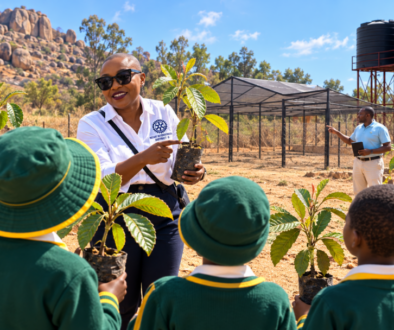
The Earth Talks discussion also highlighted related opportunities, including school-based tree nurseries in Zimbabwe and pollinator conservation initiatives.
Together, these examples illustrate how locally designed projects can contribute to a larger movement of environmental cooperation.
Practical Takeaways & Implications
Growing Green Leaders offers a useful model for educators, Rotary clubs, nonprofit organizations, and community leaders seeking to engage young people in sustainability.
Start with local challenges. Invite students to identify environmental concerns they encounter personally, whether water conservation, food waste, biodiversity loss, or extreme weather preparedness.
Make students decision-makers. Rather than assigning predetermined solutions, help young people investigate problems, consult community members, and design projects that reflect local needs.
Connect classrooms with community partners. Teachers can collaborate with Rotary clubs, environmental organizations, businesses, and local experts to provide mentoring, materials, and opportunities for practical learning.
Encourage storytelling. Short videos, presentations, and community events allow students to explain their work, reflect on what they learned, and inspire others.
Celebrate progress, not just prizes. Recognition matters, but the lasting benefits include confidence, teamwork, communication skills, and a stronger sense of belonging.
Build partnerships instead of duplicating programs. Existing educational resources and established networks can help communities launch meaningful initiatives without starting from scratch.
The most important lesson is that environmental leadership develops through experience. Students need opportunities to ask questions, experiment, encounter setbacks, and discover that their contributions matter.
When communities invest in those opportunities, climate education becomes more than a lesson about the planet. It becomes preparation for active citizenship and lifelong stewardship.
Growing Green Leaders offers a hopeful reminder that the next generation of environmental leaders is already here. What they need are opportunities, encouragement, and people willing to work alongside them.
About This Earth Talk
Speakers
Steve Bender is Chairman of the U.S. Green Chamber of Commerce, a sustainability leader, strategic advisor, and longtime Rotarian focused on environmental partnerships and organizational collaboration.
Leia Lowery is co-founder of The Climate Initiative, bringing more than 25 years of experience in education and community engagement to youth climate leadership.
Rebecca VanArnam is Program Director for CAVU, overseeing the Climate Innovation Challenge, supporting educators, and helping young people communicate their environmental solutions.
Presented: October 15, 2026
🎥 Watch on YouTube: Link
🎧 Listen as a Podcast: Link
📖 Read the Blog: Link