Growing Climate Leaders One School at a Time with Felix Kariuki
A Kenyan initiative is turning school grounds into living classrooms where students restore nature, grow food and build practical leadership skills.
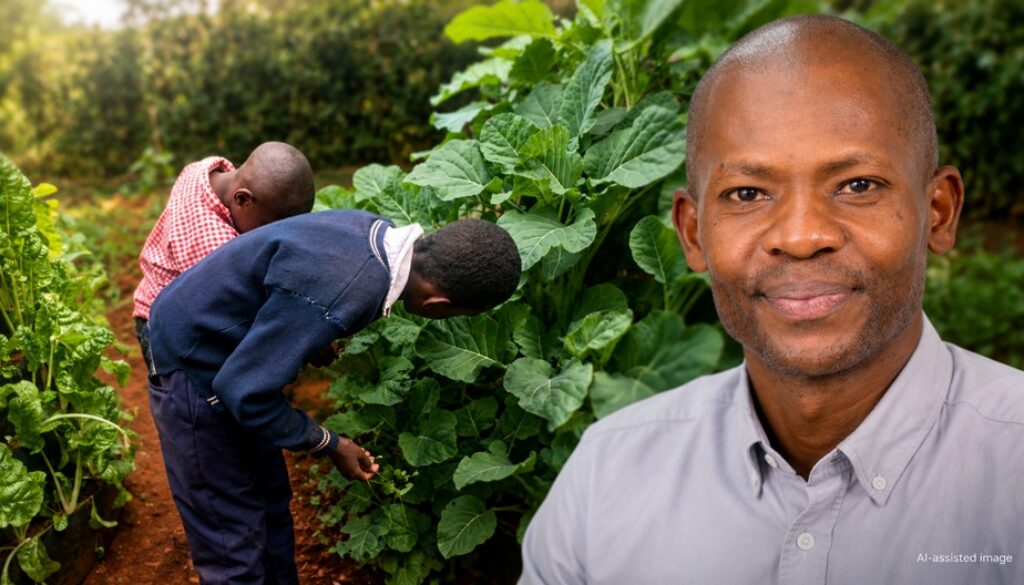
Across western Kenya, a different kind of climate education is taking root. Students are not only learning about environmental change from textbooks. They are selecting seeds, preparing compost, testing soil, raising indigenous trees and growing food.
This hands-on approach is at the heart of Seeds of the Future, an initiative presented by engineer and sustainability leader Felix Kimani Kariuki during the 30 July 2026 Earth Talks program.
Its goal is ambitious but practical: help children become capable environmental stewards while they are still in school.
“Why don’t we grow climate leaders from school itself?” Kariuki asked. Schools, he explained, are trusted community institutions. When environmental learning becomes part of daily school life, children can carry that knowledge home, influence their families and eventually help shape better public policy.
From Depleted Farmland to a Place of Learning
The story begins at the Mary Okello Conservancy near Kenya’s Nandi Escarpment, an important water source for Lake Victoria.
The land had long been used for sugarcane cultivation. Over time, repeated production and chemical use contributed to depleted soil and declining biodiversity. Dr. Mary Okello set aside approximately 200 acres to demonstrate that the landscape could be restored and used differently.
Key Takeaways
- Schools can turn climate education into practical skills through nurseries, gardens and composting.
- Students learn to raise indigenous trees suited to their local ecosystems.
- Fruit trees and vegetable gardens connect environmental restoration with better nutrition.
- Selling surplus seedlings can teach financial literacy and help sustain school programs.
- Children carry climate knowledge home, creating change from the community level upward.

Trees were planted, soils were renewed and the former plantation began developing into a conservancy. It also became a learning centre for schools, visitors and farmer field schools—practical programs where farmers learn by observing and testing methods in real conditions.
But bringing students to the conservancy was only a beginning. The project’s leaders wanted schools to create their own small areas of restoration and food production.
Seeds of the Future, founded by Joseph Okello, emerged from that vision. Rather than treating environmental education as an occasional field trip, the program helps schools build permanent spaces where students can learn by doing.
Learning the Full Life Cycle of a Tree
“Why don’t we grow climate leaders from school itself?” Kariuki asked.
The question captures the program’s central idea. Instead of waiting for young people to become adults before involving them in climate solutions, Seeds of the Future gives them practical responsibility now.
“Why don’t we grow climate leaders from school itself?” Eng. Felix Kariuki
The project goes beyond distributing seedlings for a ceremonial planting day. Participating schools receive approximately 90 days of guided support. Students and teachers work together to establish a nursery and learn the full process of raising healthy plants.
“We’re making it practical—not just theoretical, but practical,” Kariuki said.
Activities include selecting locally appropriate seeds, propagating seedlings, making compost, assessing soil and understanding the nutrients plants need.
The program works with knowledgeable partners, including the Kenya Forestry Research Institute, to identify species suited to each location. This matters because planting the wrong tree in the wrong place can waste resources or disrupt local ecosystems.
Indigenous trees are a central priority. Native species are adapted to local conditions and can provide habitat for wildlife, protect soils and support the wider ecological relationships that make a landscape resilient.
“We’re making it practical—not just theoretical, but practical.” Eng. Felix Kariuki
Students also grow fruit trees and vegetables. This broadens the project from tree restoration into an integrated lesson about biodiversity, nutrition and food security.
By following the complete life cycle of a plant, students learn that successful restoration requires more than putting a seedling in the ground. It requires appropriate species, healthy soil, water, monitoring and long-term care.
Climate Education That Also Addresses Hunger
For Kariuki, environmental action cannot be separated from people’s daily needs.
Many communities face both ecological decline and unreliable access to nutritious food. School gardens and nurseries can help address those challenges together.
Fast-growing vegetables can supplement school meals. Fruit trees can provide food over many years. Regenerative multi-storey gardens—compact gardens designed to grow crops in layers—can help schools produce vegetables where land or water is limited.
Students learn that soil health, water protection, biodiversity and human health are connected. They also gain skills they can use at home or carry into future employment.
The approach reframes climate leadership. It is not limited to public speeches, international conferences or national policy. It can begin with knowing how to make compost, keep a seedling alive and grow food without exhausting the soil.
By giving young people the ability to act, the program also replaces helplessness with competence. Climate change can feel distant and overwhelming, particularly to children. Caring for a nursery offers a visible task and a measurable result.
Growing Skills—and Financial Independence
Seeds of the Future also introduces students to enterprise and financial literacy.
Schools can use some of what they grow while selling surplus seedlings or produce. Financial partners can then help students understand saving, reinvestment and responsible management.
The aim is not to turn every school into a business. It is to help programs become more self-sustaining while showing students how environmental restoration can create social and economic value.
Kariuki described the model as teaching someone to fish rather than simply giving them a fish. Students learn how to establish a nursery, care for it and use its outputs to support the next cycle of planting.
This structure also improves the likelihood that projects will survive after an initial donation or launch event. Teachers are involved from the beginning, and schools develop the knowledge needed to continue the work.
At the time of Kariuki’s presentation, more than 12,000 students had participated. The long-term aspiration is to reach every school possible.
Children Can Move Communities
“The youth are eager,” Kariuki said. “They’re hungry to do something to make a difference.”
One of the program’s most powerful ideas is that environmental learning travels.
A child who learns about composting, tree care or water conservation may return home and share that knowledge. Students can question wasteful habits, encourage relatives to plant appropriate trees and demonstrate methods their families have never encountered.
This bottom-up influence may sometimes be more effective than instructions delivered from institutions far away.
“The youth are eager. They’re hungry to do something to make a difference.” Eng. Felix Kariuki
Young people, Kariuki argued, already want to contribute. They understand that their future depends on clean air, healthy land and reliable food. What many lack is not motivation but a practical framework.
Seeds of the Future provides a place to begin. A school nursery gives students a manageable project, visible progress and responsibility for living things.
It also allows leadership to grow gradually. Students learn to cooperate, solve problems and care for resources before they are asked to lead organizations or influence policy.
Practical Takeaways & Implications
The Seeds of the Future model offers useful lessons for schools, Rotary clubs, nonprofits, local governments and funders around the world.
First, climate education is most effective when students can apply it. A small nursery, pollinator garden, composting site or vegetable plot can transform abstract lessons into practical understanding.
Second, locally appropriate knowledge matters. Schools should work with forestry agencies, farmers, Indigenous knowledge holders, conservation groups or universities to select suitable species and methods.
Third, long-term care must be designed into every planting project. Trees need water, protection and monitoring after the launch photographs have been taken. Training students and teachers together creates continuity.
Environmental projects also become stronger when they address community priorities. A school nursery can restore biodiversity, improve nutrition, build vocational skills and create modest income at the same time.
Rotary clubs and other service organizations can help by funding materials, connecting schools with technical partners, supporting teacher training and providing mentorship. Every form of support can help a school move from a one-day activity to an enduring environmental program.
A seedling may be small, but the habits formed while caring for it can last a lifetime. By investing in practical climate education now, communities can raise a generation that sees environmental stewardship not as a special activity, but as part of everyday life.
About This Earth Talk
Speaker: Felix Kimani Kariuki, Engineer and Paul Harris Fellow
Felix Kariuki is a strategic management, project development, and knowledge-management professional with 16 years of experience. He serves as Great Lakes Regional Director for Seeds of the Future and as a consultant to the Mary Okello Conservancy Project. His wider work spans food security, agricultural data, technology training, climate action, and Rotary environmental service.
Date presented: July 30, 2026
Links:
🎥 Watch on YouTube: Link
🎧 Listen as a Podcast: Link
📖 Read the Blog: Growing Climate Leaders
🌱 Learn more / Project links: Mary Okelo Conservancy