The Green Belt – Borders Separate, Nature Unites with Sabina Gärtner-Nitsche
A former Cold War divide is now a living corridor for biodiversity, climate resilience, and collaboration.
Introduction
Once a symbol of division, Germany’s former inner border has become a powerful symbol of unity—through nature. Stretching over 1,300 kilometers, the Green Belt traces the path of the old Iron Curtain, now transformed into one of Europe’s most valuable ecological corridors. In this Earth Talk, Sabina Gärtner-Nitsche shares how this historic scar is being restored into thriving wetlands, forests, and habitats.
Her message is both practical and hopeful: environmental action doesn’t require perfection—it starts with awareness, collaboration, and local engagement. By linking Rotary clubs with restoration efforts, the Green Belt is becoming more than a conservation project. It’s a model for how communities can turn past divisions into shared environmental solutions.
Key Insights
A Border Reclaimed by Nature
The Green Belt follows the former boundary between East and West Germany—once heavily guarded and largely untouched by human development. Ironically, this isolation allowed ecosystems to flourish.
“Borders once divided us. Nature now unites us.” Sabina Gärtner-Nitsche
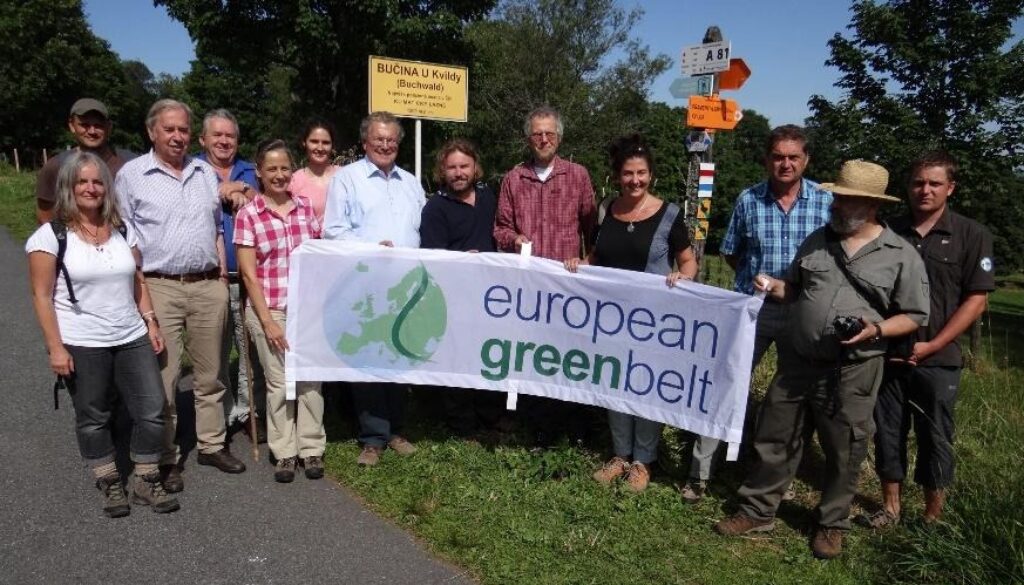
Today, the corridor is a biodiversity hotspot, connecting habitats across landscapes and even national borders. It forms part of a much larger European Green Belt that stretches over 12,500 kilometers across 24 countries.
Rather than erasing history, the project preserves it. “It is not only the environment,” Gärtner-Nitsche explains. “It is also history, education, and a path to the future.” A healthy environment is a building block for world peace.
Wetlands: The Quiet Climate Champions
At the heart of the initiative is a focus on restoring wetlands—often overlooked ecosystems with outsized impact.
Drained marshes and degraded peatlands are being revived to store water, absorb carbon, and support wildlife. These areas act like natural sponges, reducing flood risks during heavy rainfall while also locking away greenhouse gases.
Key Takeaways
- Germany’s Green Belt transforms a former border into a biodiversity corridor.
- Wetland restoration boosts carbon storage and reduces flood risks.
- One hectare can offset roughly 10 tons of CO₂ annually.
- Partnerships with experts are essential for effective environmental action.
- Small local actions can scale into long-term, systemic impact.

“We learned that wetlands are a game changer,” Gärtner-Nitsche says. “They help keep water in the ground and reduce the danger of floods.”
By removing water-intensive trees like spruce and allowing natural vegetation to return, restoration teams are bringing these landscapes back to life—often within just a few seasons.
From Carbon Footprint to Climate Action
One of the most practical aspects of the project is its connection to everyday behavior—especially within Rotary clubs.
Gärtner-Nitsche encourages organizations to calculate their carbon footprint, noting that an average club produces about 10 tons of CO₂ annually. Travel, food, and meetings are the main contributors.
Her solution is simple: reduce what you can, then compensate the rest.
“Wetlands are a game changer for climate and flood protection.” Sabina Gärtner-Nitsche
“One hectare of restored land can offset about 10 tons of carbon dioxide,” she explains. That means a single land purchase can effectively make a club carbon-neutral.
This creates a direct, tangible link between local emissions and global restoration—turning abstract climate goals into measurable action.
Collaboration Makes It Work
A key lesson from the project is that passion alone isn’t enough—partnerships are essential.
Early attempts to encourage clubs to start their own environmental projects stalled due to lack of expertise. The breakthrough came when Gärtner-Nitsche connected Rotary with environmental professionals already working along the Green Belt.
From cross-border wetland restoration to multi-country river projects, collaboration unlocks scale and impact. Rotary’s role becomes one of support—funding land purchases, contributing volunteer labor, and raising awareness.
“Find partners,” she advises. “That’s the best you can do.”
Hands-On Action Builds Connection
Beyond funding, the project emphasizes physical engagement with nature.
Volunteers help remove invasive or unsuitable trees, restore water flow, and maintain habitats. In just a few hours, small groups can accomplish work that would otherwise take professionals weeks.
“Small actions, done together, can transform entire landscapes.” Sabina Gärtner-Nitsche
These experiences create more than environmental benefits—they build emotional connection. Participants see the land change before their eyes, strengthening their commitment.
There’s also a personal dimension: donors can “adopt” restored land and even monitor it remotely through wildlife cameras. “You can watch what’s happening on your land while drinking your morning coffee,” Gärtner-Nitsche notes.
Practical Takeaways & Implications
The Green Belt offers a replicable model for community-driven environmental action. Its success lies in combining three elements: measurable impact, local engagement, and strong partnerships.
First, start with awareness. Use carbon footprint calculators to understand your organization’s environmental impact. Focus on practical reductions—carpooling, public transport, and plant-based meals can make a meaningful difference.
Second, think beyond reduction. Compensation through ecosystem restoration—whether wetlands, forests, or mangroves—creates lasting climate benefits. The key is choosing projects with proven ecological value.
Third, collaborate. Most communities already have environmental experts, NGOs, or government programs in place. Rather than starting from scratch, support and scale what exists.
Finally, make it tangible. Hands-on activities, storytelling, and visible results keep people engaged. Environmental work becomes more meaningful when participants can see and feel the impact.
As Gärtner-Nitsche’s work shows, sustainability is not about perfection—it’s about persistence. Small, consistent actions, when aligned with larger systems, can transform landscapes—and mindsets.
About This Earth Talk
Speaker: Sabina Gärtner-Nitsche
A Munich-born administrative lawyer at Germany’s Federal Office for Migration and Refugees, Sabina is a longtime Rotarian and former District Governor (2023/24), active in global health and sustainability initiatives.
Date Presented: April 2026
Links:
📖 Read the Blog
🎥 Watch on YouTube
🎧 Listen as a Podcast
🌱 Learn more / Project links