
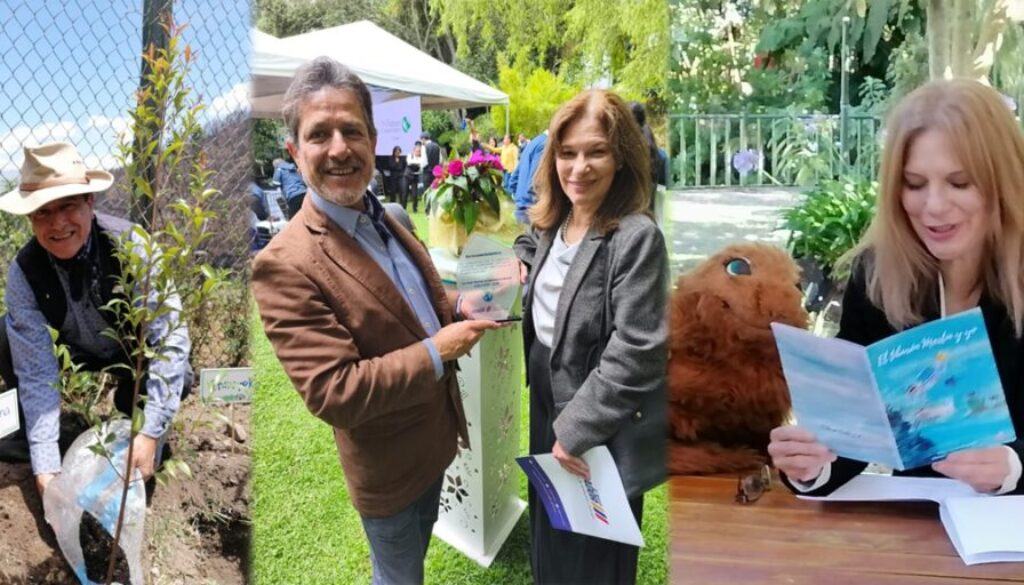
Arcandia: from Storytelling to Stewardship at Home with Maria Ordóñez and Pablo Palacious
Environmental change doesn’t start with policy—it starts with people. Arcandina shows how storytelling can turn awareness into everyday action, beginning in the family.
Introduction
What if the path to environmental stewardship began not with data, but with a story?
That’s the idea behind Arcandina, an award-winning children’s television series created by María Elena Ordóñez and co-led by Pablo Palacios. Broadcast across the Americas, the series uses animated characters, humor, and emotion to inspire children—and their families—to care for the natural world.
But Arcandina goes beyond entertainment. It represents a carefully designed approach to behavior change, combining education, emotion, and community action. As Palacios explained during their Earth Talks presentation, “This is not only a project—it’s a way of life.”
Today, their work is evolving from storytelling on screen to stewardship at home, with a growing focus on helping families translate inspiration into daily sustainable habits.
Key Insights
Storytelling Builds Emotional Connection
At the heart of Arcandina is a simple but powerful idea: people protect what they feel connected to.
The series follows a group of animal characters—each representing endangered species—who travel the world teaching others to care for nature. Their stories are designed to resonate emotionally, especially with children.
“Stories that touch the heart can change how we care for the Earth." María Elena Ordóñez
“We speak with stories to the heart,” said Ordóñez. “When children laugh, it opens the door to learning.”
Rather than focusing on fear or statistics, Arcandina uses humor, adventure, and relatable characters to create empathy. This emotional engagement is what makes the lessons stick—and what turns passive viewers into active participants.
Characters as Role Models for Change
Arcandina’s characters are more than entertainment—they are carefully crafted role models.
Each character blends animal traits with human personalities, allowing children to see themselves reflected in the story. Some are brave, others shy; some are curious, others cautious. This diversity helps children identify with the characters and imagine their own role in protecting the environment.
Key Takeaways
- Storytelling builds emotional connections that inspire environmental action.
- Children engage deeply, but family involvement is essential for lasting change.
- Characters can model sustainable behaviors in relatable ways.
- Small, repeatable habits drive meaningful environmental impact.
- Community action strengthens commitment and scales solutions.
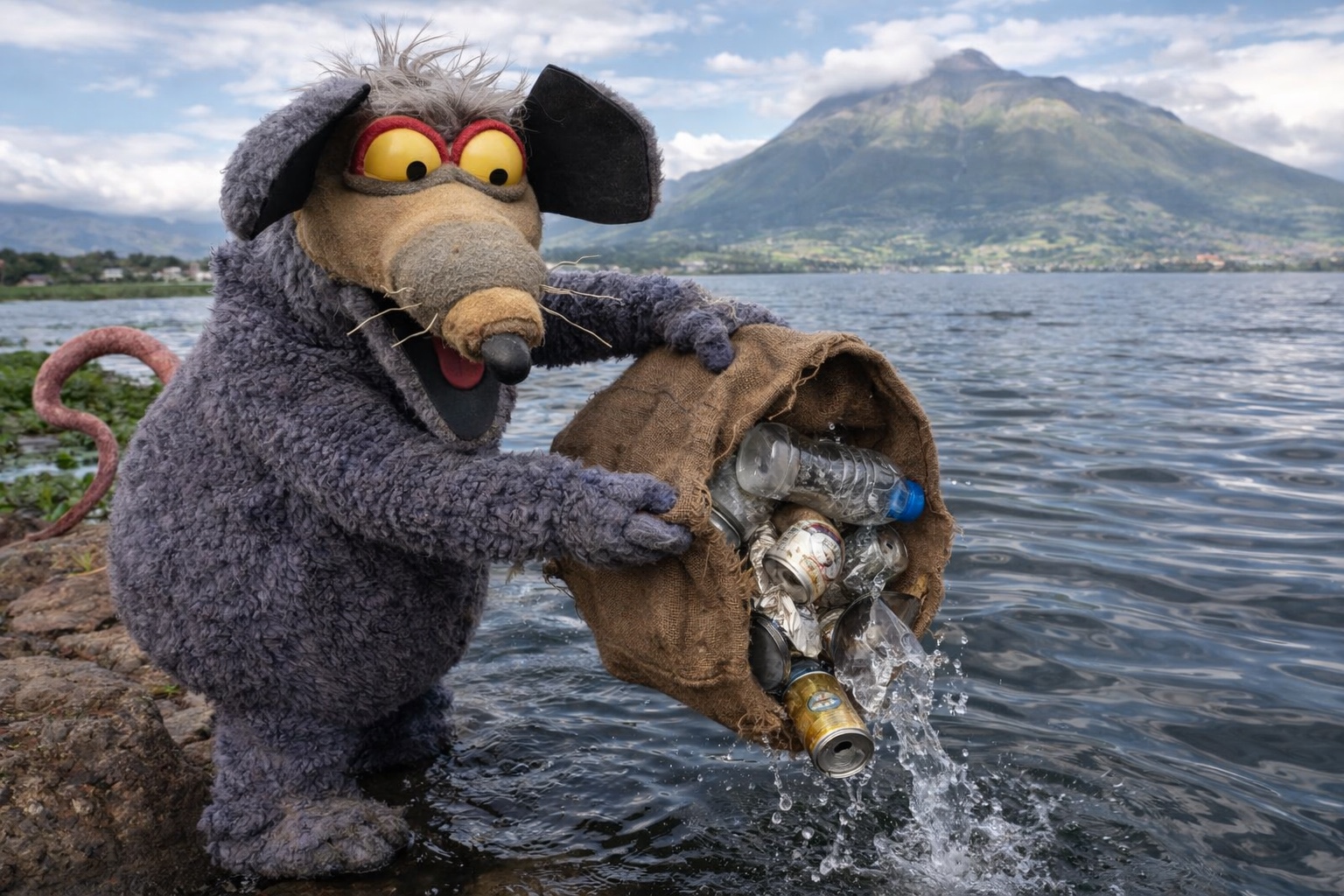
The show’s villain, Ratasura, adds humor while highlighting destructive behaviors. Yet he plays an important role: sparking emotional reactions that reinforce environmental values.
“We wanted children to feel empathy and connection,” Ordóñez explained. “That’s how change begins.”
From Awareness to Action
Arcandina is grounded in a three-part framework:
- Education (knowledge)
- Emotion (connection)
- Community action (behavior)
This approach—known as “educommunication”—combines learning with storytelling to drive real-world impact.
“When you start small, sustainability becomes a habit for life.” Pablo Palacios
The results are tangible. Through workshops, media, and community initiatives, Arcandina has helped:
- Plant thousands of trees
- Organize river clean-ups
- Reach thousands of children and educators
In one example, a botanical garden director shared that he implemented water-saving practices inspired by a single Arcandina episode.
“That moment,” Palacios noted, “is more powerful than any scientific explanation.”
The Missing Link: Families
Despite strong engagement from children, Arcandina’s research revealed a critical gap: behavior change often stops at home.
Children are eager to act—recycling, saving water, reducing waste—but parents don’t always follow through. This creates a ceiling on impact.
“The children want to do something,” Palacios explained, “but the parents limit that participation.”
This insight has shaped Arcandina’s next phase: shifting focus from children alone to entire families. By engaging parents alongside children, the initiative aims to turn individual awareness into shared household habits.
Small Habits, Big Impact
A recurring theme in the presentation is simplicity.
“Children are ready to act—but families must act with them.” Pablo Palacios
Rather than overwhelming people with large-scale goals, Arcandina promotes small, repeatable actions—shorter showers, recycling, and reducing plastic use. These habits, practiced consistently, create lasting change.
This mirrors broader sustainability efforts, such as weekly action challenges introduced by the Rotary Earth Network, encouraging one manageable change at a time.
“When you start,” Palacios emphasized, “it becomes a habit.”
Practical Implications
Arcandina’s approach offers a practical roadmap for anyone working in sustainability, education, or community engagement.
- Lead with emotion, not information.
Facts matter, but feelings drive action. Stories can translate complex environmental issues into something personal and relatable. - Start early—but include everyone.
Children are powerful change agents, but lasting impact requires family participation. Programs should engage households, not just individuals. - Focus on habits, not heroics.
Small, consistent actions—reducing water use, minimizing waste—are more effective than ambitious but unsustainable efforts. - Use creativity as a tool for change.
Whether through storytelling, art, or media, creative approaches can reach audiences that traditional education cannot. - Build community around action.
Initiatives like “mingas” (collective community work) show that shared experiences reinforce commitment and create momentum.
Ultimately, Arcandina reminds us that environmental stewardship is not just a technical challenge—it’s a human one. And the solutions may begin with something as simple as a story told at home.
About This Earth Talk
Speakers:
María Elena Ordóñez – Children’s storyteller, TV director, and environmental education expert; creator of Arcandina.
Pablo Palacios – Behavior-change expert, filmmaker, and co-founder of Arcandina and Cimerron Cinema.
Date Presented:
Earth Talks session (2026)
Links:
🎥 Watch on YouTube
🎧 Listen as a Podcast
📖 Read the Blog
🌱 Learn more / Project links: Arcandina Blog,


