One Plate, One Planet: A Global Invitation to Act with Steve Bender
How Rotary, EARTHx, and plant-rich eating are turning climate concern into practical action
As climate impacts intensify and communities search for meaningful solutions, a growing coalition of business leaders, Rotary members, and environmental advocates is focusing on something surprisingly simple: what’s on our plates.
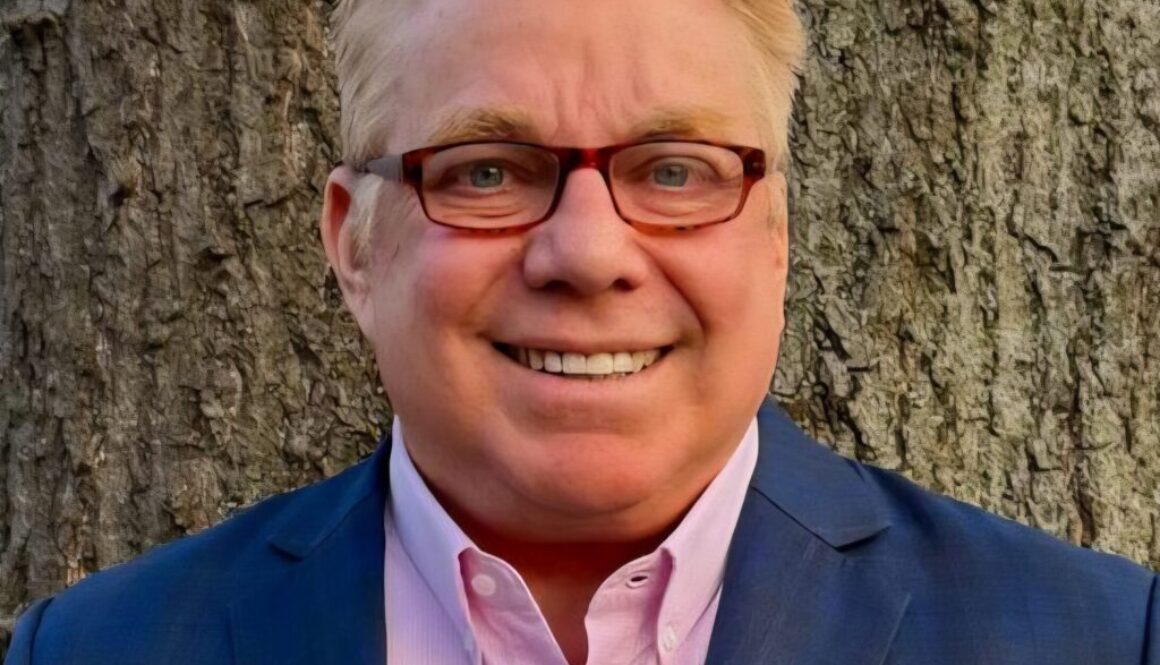
At a recent Earth Talks gathering, sustainability leader Steve Bender, Chairman of the US Green Chamber of Commerce, shared a bold vision linking food, collaboration, and global environmental action. From launching the largest Rotary environmental experience at EARTHx to promoting a 15-day plant-rich challenge, his message was clear: we don’t need perfection—we need participation.
Food: The Climate Solution Hiding in Plain Sight Jeff Heie
One of the most powerful climate actions available today doesn’t require new technology. It requires awareness.
Bender points to research from Project Drawdown, a science-based organization that ranks climate solutions by impact. Food production and food waste consistently appear among the top contributors to greenhouse gas emissions.
“Food production and food waste are two of the top issues with climate,” Bender said. “We’re not trying to take anyone’s meat away. We’re trying to help everybody get healthier—including the planet.”
The idea behind One Plate, One Planet is simple: small dietary shifts—like eating plant-based meals once or twice a week—can reduce emissions, conserve water, protect biodiversity, and improve health.
Bender speaks from experience. Raised on a cattle farm in Kansas, he enjoys steak as much as anyone. But when he reduced processed meats and embraced more plant-rich meals, he saw measurable health improvements.
“If we can just take the first three steps,” he said, referencing his 750-mile Camino walk, “everything changes.”
The goal is progress, not perfection.
The 15-Day Plant-Rich Challenge
To make change accessible, Earth Talks leaders are inviting individuals and Rotary clubs to join a 15-day Plant-Rich Diet Challenge beginning March 1.
Participants receive daily emails filled with:
- Easy recipes
- Expert presentations
- Cooking demonstrations
- Medical insights on reversing chronic disease
- Real-life transformation stories
It’s designed to be practical and affordable. No one is asked to go fully vegan. Instead, participants are encouraged to try one plant-based meal at a time.
As one presenter described it, plant-rich eating is the “Swiss Army knife” of environmental action. It positively affects climate, land use, water conservation, and pollution—while improving personal health.
Three meals a day offer three opportunities to make a difference.
Rotary’s Environmental Experience at EARTHx
Food is only part of the story.
From April 20–22, Rotary will host what Bender calls the largest Rotary environmental conference in the world inside the broader EARTHx event in Dallas, Texas. The Rotary Environmental Experience will occupy 30,000 square feet within a 75,000-square-foot expo space.
The event brings together:
- Rotary districts from around the globe
- Environmental innovators
- Nobel laureates
- Business leaders
- Youth activists
- Sustainability entrepreneurs
Rotary International President Barry Rassin, who has spoken about climate risks facing island nations, will participate. Leaders from Africa, South Asia, Europe, and Latin America are expected to attend.
But this is not just a conference—it’s a launchpad.
“We want this to be the beginning of what we accomplish over the next year,” Bender said.
100 Projects in 100 Countries
One of the event’s most ambitious initiatives is 100 Projects in 100 Countries.
Rotary clubs worldwide are invited to submit photos, videos, and descriptions of environmental projects. These will be showcased on screens throughout the event and shared through media partnerships.
The aim is twofold:
- Inspire replication of successful projects.
- Attract new members—especially younger generations.
“If you want to recruit younger members,” Bender noted, “you better be doing environmental projects.”
Rotary operates in more than 200 countries and regions. By amplifying stories of reforestation, coral reef restoration, clean water access, and renewable energy initiatives, organizers hope to break down silos and encourage collaboration.
Beyond Food: Regenerative Housing and Circular Design
Sustainability extends beyond diet.
At EARTHx, attendees will also tour the winning home from an international Design & Build Experience competition. The structure demonstrates how smaller, energy-efficient homes—built with recycled and circular materials—can redefine modern living.
“I’ve toured more than 200 sustainable and tiny homes this year,” Bender said. “This one is in a class of its own.”
From recycled materials to advanced insulation and steel framing, the home showcases how thoughtful design can reduce resource use without sacrificing comfort.
It’s a reminder that sustainability is not about deprivation. It’s about smarter systems
The Role of Business: Green Chambers of Commerce
As Chairman of the US Green Chamber of Commerce, Bender is also working to help traditional chambers transition toward sustainability.
The Green Chamber model:
- Shares best practices
- Helps businesses reduce environmental impact
- Encourages green certifications
- Promotes collaboration across sectors
“We can’t depend on governments alone,” Bender said. “We have to depend on ourselves.”
By partnering with local and international chambers, restaurants, and entrepreneurs, the goal is to make sustainable business the norm—not the niche.
Participation Without Travel
Recognizing carbon concerns and travel costs, organizers are prioritizing digital access.
Sessions will be live-streamed. Projects will be showcased online. Clubs worldwide can participate remotely in the 100 Projects initiative and the Plant-Rich challenge.
The emphasis is inclusion.
Whether you attend in person, tune in virtually, or simply adopt Meatless Mondays, you are part of the movement.
Practical Takeaways & Implications
This Earth Talk highlights a powerful truth: climate action is not confined to policymakers or scientists. It belongs to communities.
Here’s what you can do:
- Start with your plate.
Try one plant-rich meal per week. Explore new recipes. Reduce food waste. - Share your story.
If your Rotary club runs an environmental project, document it and submit it for global visibility. - Build partnerships.
Connect with local businesses, chambers of commerce, and nonprofits to amplify impact. - Think collaboration, not competition.
Break down silos. Share lessons learned. Invite others in.
The path to sustainability does not require sweeping overnight change. It begins with three steps—taken together.
As Bender reminds us, Rotary may be “the best organization in the world.” The opportunity now is to make sure the world knows it.
Key Takeaways
Key Takeaways
- Food production and waste are top climate drivers—diet shifts matter.
- Small plant-rich changes can improve health and reduce emissions.
- 100 Projects in 100 Countries showcases Rotary’s global impact.
- Sustainable housing proves circular design is practical today.
- Collaboration across business and community accelerates solutions.
About This Earth Talk
Speaker: Steve Bender
Chairman of the US Green Chamber of Commerce and global sustainability leader. Bender advises organizations worldwide on building responsible, resilient growth strategies and launching environmental initiatives.
Date Presented: 19 February 2026
🎥 Watch on YouTube
🎧 Listen as a Podcast
🌱 Learn more / Project links