The club works closely with the Baltic Sea Action Network (BASRAN), which hosts webinars, leadership programs, and educational initiatives on issues like eutrophication, plastic pollution, and industrial fishing. Together, they are building a generation of environmental leaders who understand both science and civic action.
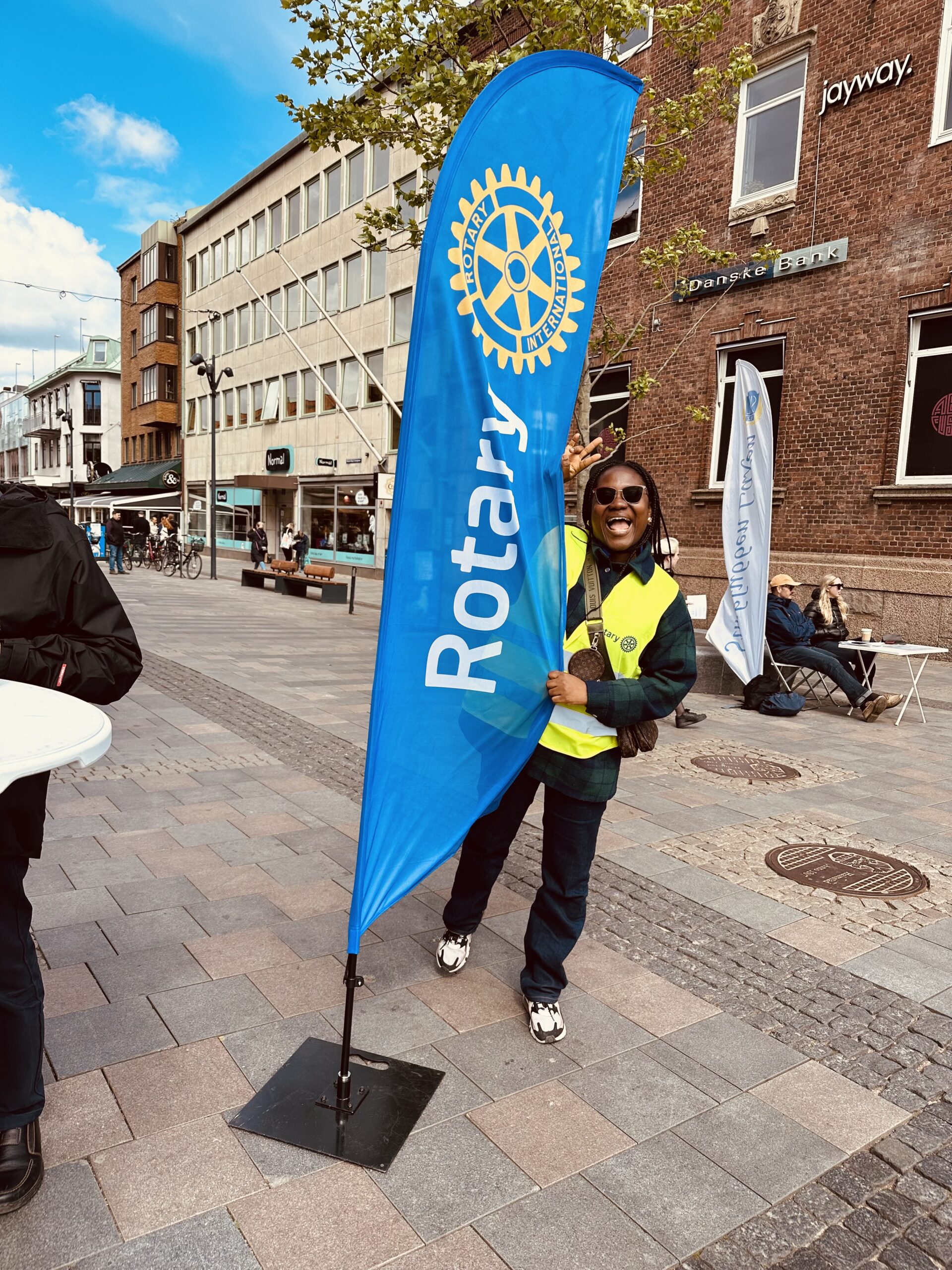
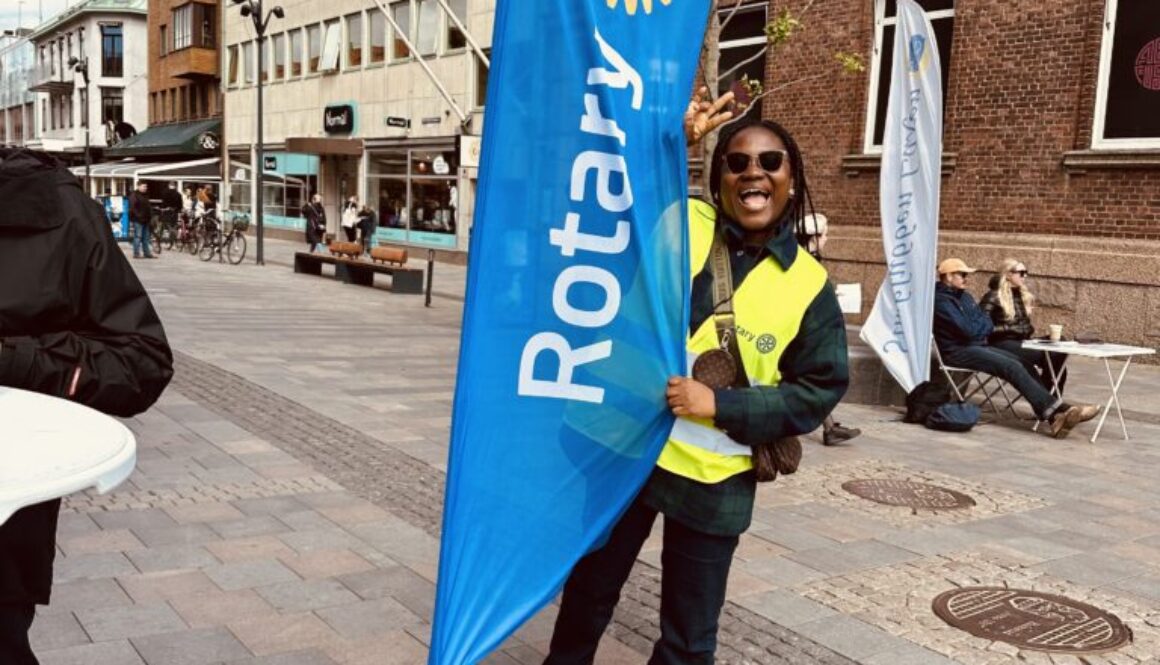
Importantly, membership is open. While the focus is regional, anyone committed to protecting the environment and the Baltic Sea is welcome. “In Rotary, there are no borders,” Otoo emphasized.
Leadership Grows Through Belonging
Beyond projects, Otoo stressed that strong clubs are built on relationships. Structures and titles matter—but people matter more.
Her advice: create informal spaces for connection. Social gatherings, shared meals, cross-border visits, and simple check-ins help members feel valued. “Yes, Rotaractors like to have fun,” she said with a smile, “and that’s part of why our clubs stay strong.”
When recruiting new members, she encouraged clubs to invite people to projects first, not just meetings. Seeing impact in action is often more compelling than listening to a presentation.
Finally, inclusion is key. Giving new members small roles, asking for their ideas, and celebrating even modest wins through social media and storytelling all help sustain energy and commitment.
Practical Takeaways & Implications
Esi Otoo’s message offers practical guidance for Rotary, Rotaract, and any organization working with young leaders.
First, trust young people with real responsibility. When given ownership, they bring creativity, energy, and long-term commitment. Second, design projects with—not for—communities. Listening builds relevance and results