Climate

Climate Action and Projects in the San Fracisco Bay Area
DeAnna Pursai will discuss impactful environmental projects and how ESRAG Big West is expanding a powerful network of supporters and sustainability initiatives
5 February 2026 · Thursday · 15:00 UTC
Due to a technical error, the recording from this session is unfortunately not available. If you are interested in the topic,
📖 Check out DeAnna’s presentation at her District Conference
🎥 Watch video DeAnna’s presentation to Rushton Hurley’s E-Club of Silicon Valley on YouTube
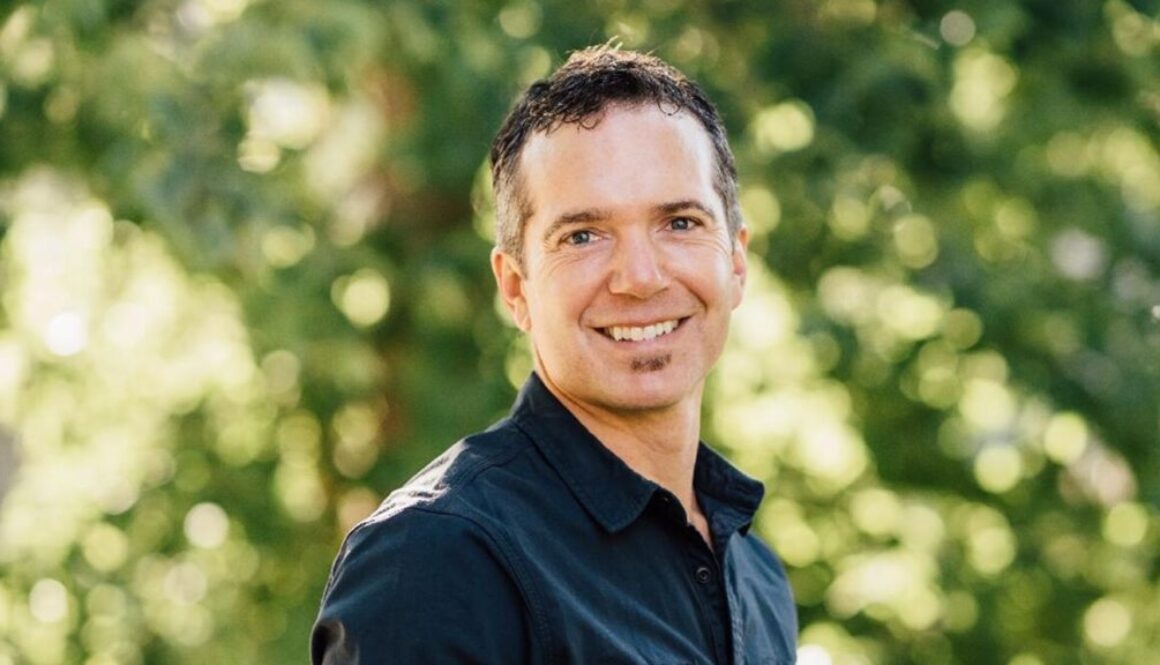
From Climate Despair to Meaningful Action–Intentional Green Investing with Joseph Riddle
For many people who care deeply about the planet, staying informed has become emotionally exhausting. Record-breaking heat, political reversals, and relentless bad news can make climate action feel futile—or worse, paralyzing. Joseph Riddle understands that feeling well. A former media executive who retired early after financial success, Riddle found himself asking a harder question: What does meaningful action look like in a chaotic world?
In a recent Earth Talks seminar, Riddle shared how he moved from climate despair to purposeful engagement through what he calls intentional green investing—a blend of mindfulness, long-term thinking, and practical support for climate solutions already working today. His message was not about getting rich or predicting winners. It was about reclaiming agency, aligning money with values, and choosing hope without denial.
Key Insights
1. Climate Anxiety Is Real—and Rational
Riddle began by naming what many feel but rarely say aloud: climate anxiety is a reasonable response to current conditions. The science is clear, the impacts are visible, and progress can feel painfully slow. Add in a media environment that rewards outrage and fear, and it’s no surprise people feel stuck.
“We’re living in what I call a rage economy,” Riddle said, describing how headlines are designed to provoke emotional reactions rather than informed engagement. “Our attention is being mined, just like any other resource.”
His first insight is deceptively simple: protect your attention. Staying informed matters, but constant doomscrolling drains the emotional energy needed for action.
“Equanimity isn’t looking away. It’s staying steady enough to act wisely.” Joseph Riddle
2. Equanimity Is Not Passivity
To counter that drain, Riddle turns to equanimity—a concept from Buddhist mindfulness practice. Equanimity does not mean ignoring problems or staying neutral in the face of injustice. It means cultivating emotional steadiness so decisions are made with clarity rather than panic.
“Our goal isn’t to look away,” he explained. “It’s to take care of ourselves so we still have resources—mental, emotional, financial—when it’s time to act.”
For Riddle, simple practices help: limiting exposure to outrage-driven media, writing down worries before bed, and deliberately naming things he is grateful for. These habits create what he calls “islands of stability” in an unstable world.
3. Replace Despair With Better Information
One of Riddle’s most practical recommendations is changing where climate information comes from. Instead of relying solely on mainstream news, he curates a steady diet of climate innovation reporting—newsletters, podcasts, and alerts focused on solutions.
“There is so much smart, hopeful work happening in climate tech,” he said. “You just don’t always see it in the headlines.”
Following climate innovation helps shift perspective. It reminds people that thousands of scientists, engineers, and entrepreneurs are actively solving problems—from biodegradable materials to cleaner industrial processes—right now.
Key Takeaways
- Climate anxiety is rational—but despair doesn’t have to be permanent
- Protecting attention is the first step toward meaningful action
- Climate innovation is happening now, beyond negative headlines
- Green investing can align values, impact, and financial return
- Long-term “Future Self” thinking helps guide better decisions
4. Investing as an Act of Agency
Riddle did not set out to become an angel investor. His entry into investing came almost accidentally after a company he helped build was acquired. But once he realized that early-stage capital can shape which ideas survive, investing became a form of civic engagement.
Intentional green investing, as he describes it, means backing companies that both reduce environmental harm and have a realistic path to financial sustainability. Among the climate-focused startups he has supported:
- A company turning harmful seaweed blooms into fertilizer, vegan leather, and non-petroleum industrial materials
- A carbon capture firm using low-pressure methods to store CO₂ safely in unmineable coal seams
- A satellite-based monitoring company helping industrial polluters prevent environmental damage before it happens
“These aren’t charity projects,” Riddle emphasized. “They’re real businesses solving real problems.”
5. You Don’t Have to Be an Expert—or Extremely Wealthy
A common barrier to green investing is the belief that only financial experts or ultra-wealthy individuals can participate. Riddle pushed back on that idea.
He encourages people to trust informed intuition, especially when paired with community. By joining angel investing groups or climate-focused investment networks, individuals can pool resources, share expertise, and reduce risk.
“Collective action is more powerful than individual action,” he said. “You bring what you know. Others bring what they know. Together, you make better decisions.”
Many angel groups allow participation at levels far lower than people expect. The key rule, Riddle noted, is simple: never invest money you can’t afford to lose.
“Our attention is a resource. Where we place it shapes what’s possible.” Joseph Riddle
6. Make Friends With Your Future Self
One of the most resonant ideas in Riddle’s talk was his concept of Future Self thinking. Developed during a difficult period in his own life, the practice involves treating your future self as a real person whose needs matter today.
“When I invest, I ask: will my future self be grateful for this?” Riddle said. “Will the world I’m helping create be livable for the person I’m becoming?”
This long-term mindset cuts through short-term noise. It reframes investing—not as speculation, but as stewardship.
“Invest for the world your future self will have to live in.” Joseph Riddle
Practical Takeaways & Implications
Intentional green investing is not a silver bullet. It won’t replace strong policy, community action, or personal behavior change. But it can be a powerful complement—especially for people feeling emotionally burned out by climate news.
The deeper implication of Riddle’s message is about agency. When governments stall and headlines overwhelm, individuals still have choices: where to place attention, where to place capital, and whom to support.
For some, that may mean investing directly in climate startups. For others, it could mean shifting retirement funds, supporting local green businesses, or simply learning more about climate solutions underway. All of these actions reinforce the same truth: despair is not the same as realism.
“We can’t control everything,” Riddle said. “But we can choose what we support. And that matters more than we think.”
About This Earth Talk
About This Earth Talk
Speaker: Joseph Riddle
Joseph Riddle is an angel investor and writer who blends finance with spiritual well-being. A retired multimillionaire by age 45, he now focuses on funding climate tech solutions while teaching equanimity and long-term thinking as tools against climate anxiety.
Date Presented: 29 January 2026
🎥 Watch on YouTube
🎧 Listen as a Podcast
Speaker Resources:
Joseph’s Substack: https://rebalancetheworld.
Media sources: Canary Media, Inside Climate News, Carbon Brief
Podcasts: The Energy Gang, The Energy Transition Show, Catalyst with Shayle Kann
Books:
-
Gut Feelings, by Gerd Gigerenzer
-
Angel Investing, by David Rose
-
Venture Deals, by Brad Feld
-
The Uninhabitable Earth, by David Wallace-Wells
-
This Changes Everything, by Naomi Klein
-
Zen and the Art of Saving the Planet, by Thich Nhat Han
-
Mindfulness and Sustainability, by Maria Jaoudi
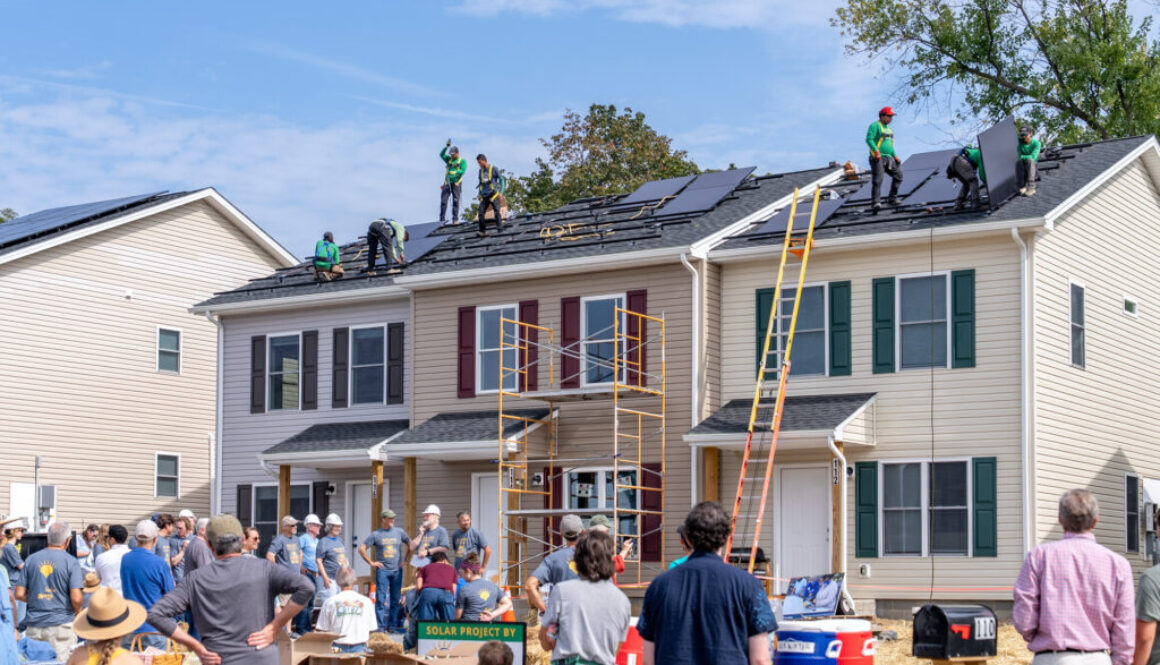
Habitat for Humanity National Solar Program
Jeff Heie will spotlight an ambitious national campaign bringing solar power to 10,000 Habitat for Humanity homes in five years—sharing its journey from a local Virginia pilot to a nationwide movement, plus updates and a bold vision to make solar standard in affordable housing.
12 February 2026 · Thursday · 15:00 UTC
Links:
📖 Read the Blog
🎥 Watch on YouTube
🎧 Listen as a Podcast