
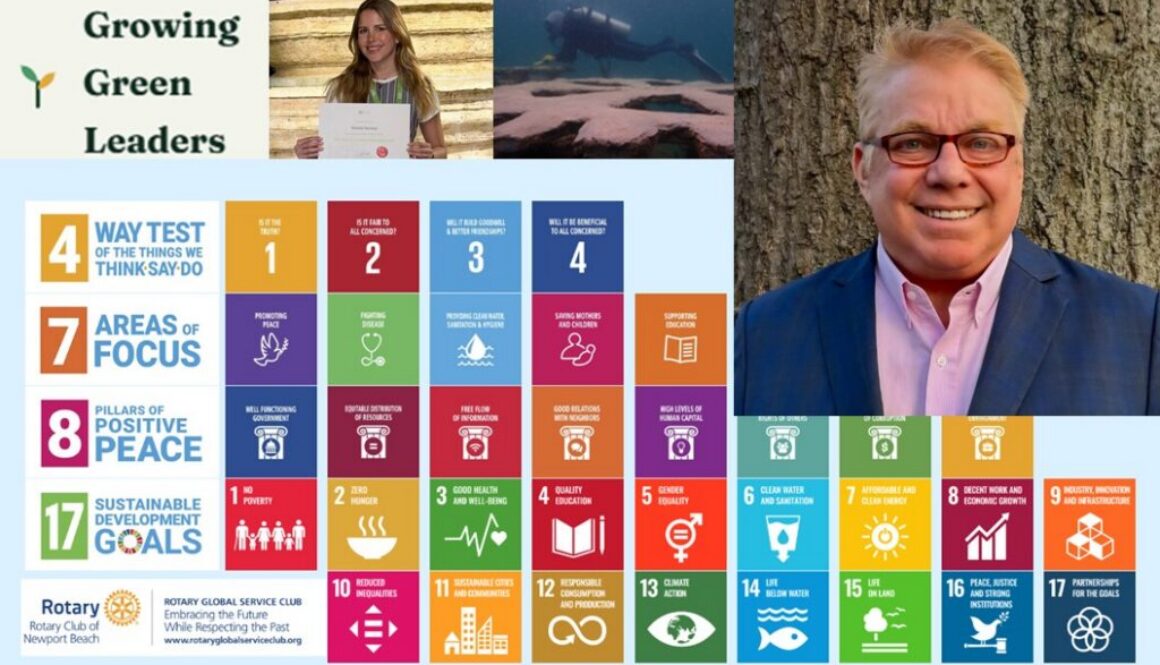
Climate Action Without Borders with Steve Bender
Climate solutions do not stop at national borders and neither should collaboration. Sustainability leader Steve Bender argues that connecting existing organizations, young leaders, and practical projects can turn environmental ambition into action.
Climate change can feel impossibly large. Steve Bender approaches it from another direction: find people already doing good work, connect them with others who can strengthen it, and make successful ideas easier to share.
That philosophy ran throughout Bender’s September 17 Earth Talk, Climate Action Without Borders. Rather than focusing on a single environmental problem, he described a network of initiatives spanning climate education, river restoration, pollinator protection, marine conservation, reforestation, and community resilience.
The projects are diverse, but the organizing idea is remarkably consistent. Bender wants organizations to collaborate instead of duplicating one another’s efforts, and he wants Rotary members to use their international networks to help good ideas travel.
The result is a model of climate action built less around creating new institutions and more around connecting the ones that already exist.
Start by strengthening what already works
One of Bender’s central messages was that solving environmental problems does not always require starting another nonprofit or inventing another program.
Instead, he looks for organizations already doing effective work in areas such as water, pollinators, and climate education, then searches for ways several groups can work together. His aim is to “lift each other all up together.”
Key Takeaways
- Climate action grows faster when organizations collaborate instead of duplicating successful programs.
- Give young people ownership by asking what environmental projects they want to create.
- Rivers, wildlife, and ecosystems cross borders, so effective solutions often must too.
- Connecting environmental, social and economic benefits can make community projects stronger.
- Sharing successful projects helps attract partners and makes proven ideas easier to replicate.
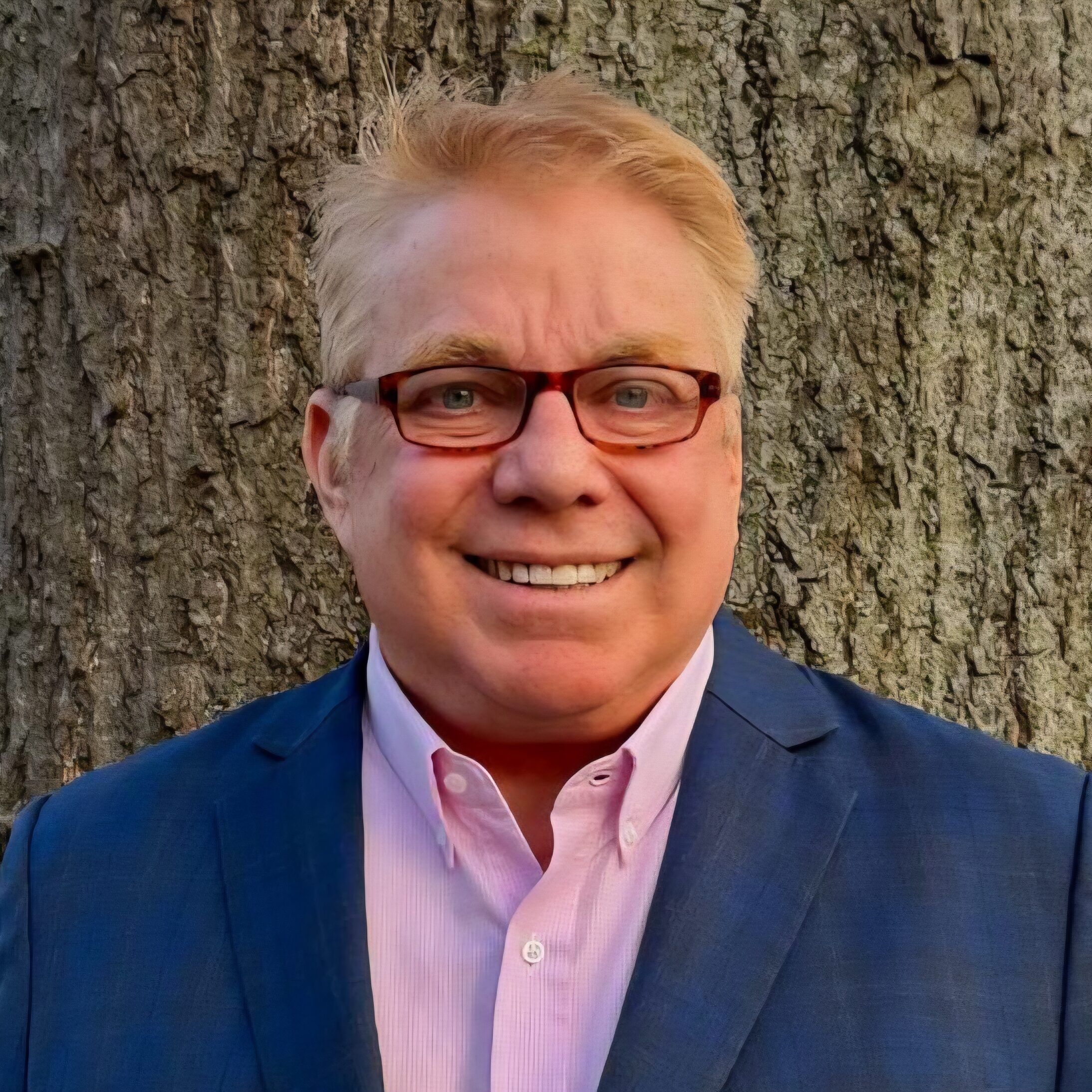
That approach is visible in Growing Green Leaders, a six-month climate education and innovation challenge designed to turn free, ready-built educational material into local climate action. Schools, Rotary clubs, partner organizations, and students can all participate, with projects progressing from education and training to implementation and an Earth Day showcase.
The broader lesson extends beyond any one program. Networks can provide something individual organizations often lack: access to expertise, audiences, volunteers and partners in other communities.
Give young people ownership, not just invitations
Growing Green Leaders also addresses another challenge Bender sees repeatedly within Rotary: engaging younger generations. His advice is to begin by listening. As he put it, “We have two ears and one mouth; we should use them proportionally.” Instead of approaching young people with a finished program and asking them to join, he encouraged Rotary members to ask what young people themselves would like to develop.
Participation in Growing Green Leaders can range from one student to a classroom, an Interact club or a Rotaract group, and Bender emphasized that the program is free and accessible online. But the larger opportunity is not simply to create more environmental activities for younger people. It is to give them a meaningful role in deciding what those activities should become.
That change, from recruitment to partnership, can create genuine ownership. It also recognizes that leadership develops through doing. Students who identify problems, design projects, communicate their ideas, and work with community partners are practicing skills that can extend well beyond a single environmental initiative.
“We have two ears and one mouth, we should use them proportionally.” Steve Bender
For Rotary and other established organizations, this requires a willingness to make room for ideas they did not originate. Listening first can turn environmental projects into a bridge between generations and give emerging leaders a reason to stay involved.
Follow environmental problems across borders
Bender’s projects illustrate why environmental action cannot be confined by political boundaries. Speaking about the expansion of his work from the Tijuana River to the broader Alluvium Project, he explained, “The more we talk about it, and the more people we can get engaged, the better we can do.” The goal is to bring more communities and organizations into problems that cannot be solved from one side of a border.
The same principle is visible in Pollinators Without Borders. Protecting monarch butterflies, for example, means thinking about their habitat across their migratory range. Bender described visiting monarch habitat in Mexico and learning about local vulnerability to wildfire, including limited firefighting capacity.
That led to a practical partnership. Bender helped connect people from the area with firefighter training in Ensenada and began working toward securing appropriate firefighting equipment. The logic was straightforward: planting milkweed and restoring habitat elsewhere cannot fully protect a migratory species if crucial habitat along its journey remains vulnerable.
“The more we talk about it, and the more people we can get engaged, the better we can do.” Steve Bender
These examples show what “without borders” can mean in practice. A river carries pollution downstream. Migratory wildlife crosses countries. Forest health can affect species thousands of kilometers away. Environmental problems move through ecological systems rather than political maps, so durable solutions often require relationships that cross those boundaries too.
Make successful projects easier to see and replicate
Bender also sees communication as part of environmental action. Through 100 Projects in 100 Countries, he described an effort to showcase environmental initiatives and help participants communicate their work. “The whole point is we’re just trying to showcase everybody, all the fine work,” he said while encouraging participants to submit their projects.
Visibility can do more than provide recognition. It can introduce project leaders to Rotary clubs, technical expertise, potential partners and new audiences. Bender described helping selected organizations improve presentations, make introductions and build relationships that could strengthen their work.
The range of projects he highlighted shows how broad those connections can become. One example involves Vermont students raising money to travel to the Bahamas, become certified scuba divers, and learn coral restoration. Another is an “ice in a box” concept Bender designed after hearing from fishing communities that traveled hours to obtain ice needed to protect their catch.
In that project, Bender agreed to design a solar-powered system to make ice from desalinated water on one condition: fishermen would pay for their ice, and children in the village would receive clean, safe water at no charge. The idea shows how an environmental project can be strengthened by adding community benefits.
That combination of visibility and integrated design can help promising ideas travel. When communities can see what others are doing and understand how environmental, social, and economic benefits fit together, they have a stronger starting point for adapting successful approaches to their own needs.
Practical Takeaways & Implications
Bender’s presentation offers a practical framework for community organizations that want to expand their environmental impact without having to build everything themselves.
First, look for partners before creating something new. Another organization may already have the curriculum, technical expertise or community relationships a project needs.
Second, invite younger people to co-design the work. Asking “What would you like to develop with us?” creates a different relationship than asking someone to join a predetermined activity.
Third, think beyond the immediate project boundary. A pollinator garden may connect to habitat hundreds of kilometers away. A river cleanup may require upstream partnerships. Marine restoration may intersect with education, livelihoods, and waste management.
Fourth, communicate successful work. Sharing a project is not merely promotion; it can help other communities learn from it, adapt it, and find collaborators.
Perhaps most importantly, Bender’s examples suggest that people do not have to solve climate change alone to make meaningful progress. They can find one useful role, connect it with the work of others and build from there.
Climate action without borders is ultimately climate action through relationships.
About This Earth Talk
Speaker: Steve Bender
Steve Bender is Chairman of the United States Green Chamber of Commerce, CEO of Sea 2 Sky Solutions and Global Head of Strategic Partnerships at EarthX. A longtime sustainability strategist and partnership builder, he also served as Director for Western North America with the Environmental Sustainability Rotary Action Group.
Date presented: September 17, 2026
🎥 Watch on YouTube: link
🎧 Listen as a Podcast: link
📖 Read the Blog: link
🌱 Learn more / Project links:
Growing Green Leaders — growinggreenleaders.org
The Mangrove Project — themangroveproject.org
47817 Project Navigator — 47817.org