
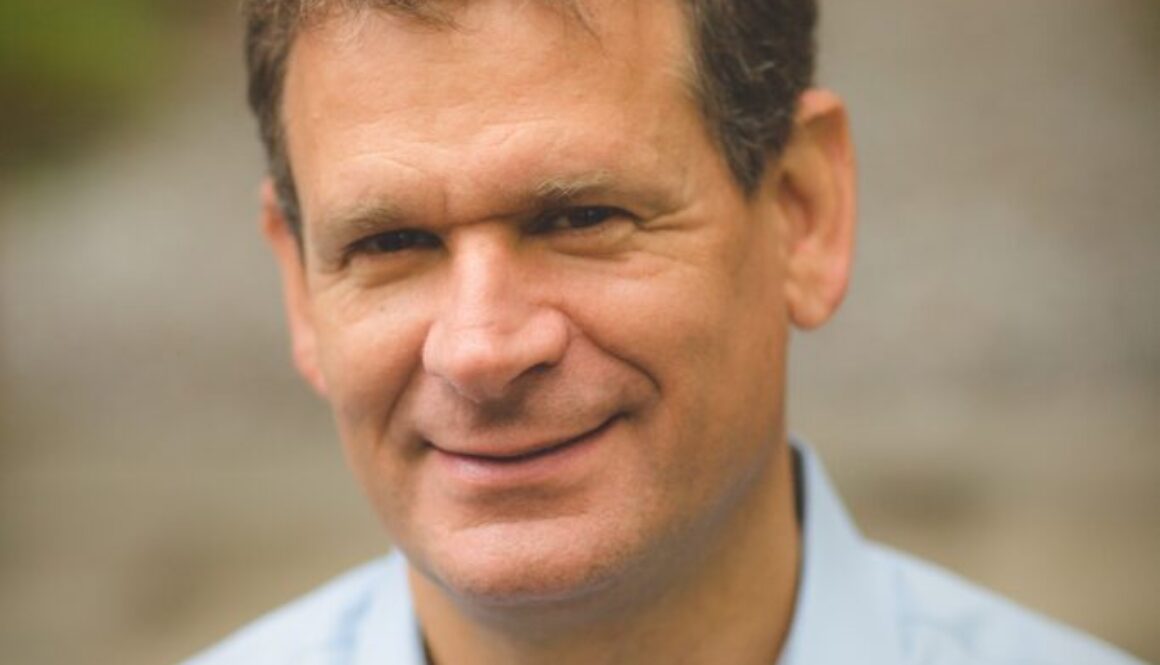
Why Values-Based Banking Matters with Ivan Frishberg
Where your money sits matters more than most people realize. Banks quietly shape the economy—and the climate—through every loan they make.
Introduction
Most people think of banks as neutral institutions—places to store money, pay bills, or get a loan. But behind the scenes, banks play a far more powerful role: they play a role in where money flows in the economy
In a recent Earth Talk, Ivan Frishberg, Chief Sustainability Officer at Amalgamated Bank, pulled back the curtain on how banking really works—and why aligning your finances with your values is one of the most overlooked tools for climate action. His message was clear: your bank is using your money. The question is—what for?
Key Insights
Banking Is Not Neutral—It Shapes the World
Banks are often seen as passive financial intermediaries. In reality, they are active decision-makers. When you deposit money, the bank doesn’t simply store it—it lends it out to businesses, developers, and projects.
As Frishberg explains, “where that money goes is really the primary impact.”
This means your savings could be funding industries that are important to you like alternative energy, affordable housing, and community businesses.
Where your money goes is your impact—even if you don’t see it. Ivan Frishberg
The system is simple: banks take deposits, lend money at higher rates, and profit from the difference. But the consequences of those lending decisions ripple across society and the environment.
Two Powerful Levers: Money and Voice
Frishberg describes two key ways banks influence the world:
- Their balance sheet (where money is invested or loaned)
- Their voice (their influence in policy and public discourse)
The first is direct and measurable: loans, investments, and financial products shape real-world outcomes. The second is more subtle but equally powerful. Financial institutions carry weight in political and regulatory conversations.
Frishberg recalls that after joining a bank, his influence in policy discussions increased dramatically—not because his expertise changed, but because his institutional affiliation did. “It matters what banks say,” he noted.
Together, these levers make banks one of the most influential—and underappreciated—actors in climate action.
Measuring the Invisible: The Rise of Carbon Accounting
One of the biggest challenges in aligning finance with climate goals is measurement. How do you calculate the climate impact of a loan or investment?
To solve this, Frishberg helped lead the development of the Partnership for Carbon Accounting Financials (PCAF), a global standard that allows financial institutions to measure the greenhouse gas emissions linked to their portfolios.
Key Takeaways
- Banks shape the economy through lending—not just storing money
- Your deposits fund real-world projects, including climate-impacting industries
- Measuring financed emissions enables accountability in banking
- Large banks prioritize scale; smaller banks can align with values
- Choosing a bank is a powerful, often overlooked climate action

Today, institutions representing over $100 trillion in assets use this framework.
This shift is significant. It turns abstract financial activity into measurable climate impact—and creates accountability.
Banks can now:
- Track emissions tied to their lending
- Set reduction targets
- Report progress publicly
It’s a critical step toward aligning the financial system with global climate goals.
Why Big Banks Struggle to Change
If values-based banking is so impactful, why don’t all banks adopt it?
The answer lies in how the system is structured.
Large banks are designed for scale and profitability. They spread risk across massive portfolios and tend to finance “everything” because diversification reduces risk and maximizes returns.
Frishberg describes this as a kind of “Swiss” neutrality: banks avoid making moral judgments about clients or industries.
Banks can be a force for good—or reinforce the status quo. Ivan Frishberg
But that neutrality comes at a cost. It makes it difficult for large institutions to say no to exposures that come with long-term or systemic risks.
In contrast, smaller or mission-driven banks often focus on specific sectors—like community development, clean energy, or social equity—and align lending with both financial and social impact.
Values-Based Banking: A Different Model
Values-based banks flip the traditional model. Instead of prioritizing growth and neutrality, they prioritize impact.
At Amalgamated Bank, nearly 40% of lending is focused on climate solutions, and over a quarter of loans support low-income or disadvantaged communities.
These institutions often:
- Invest in renewable energy and sustainable infrastructure
- Support affordable housing and community development
- Operate with transparency about where money is used
They are also part of global networks like the Global Alliance for Banking on Values, which promotes “triple bottom line” banking—people, planet, and profit.
Importantly, values-based banking doesn’t reject profitability. Instead, it redefines success to include long-term social and environmental outcomes.
Practical Takeaways & Implications
For individuals and organizations, the implications are both simple and powerful: your money is already shaping the world—you just may not see how.
Your bank is using your money. The question is: for what? Ivan Frishberg
When you deposit funds in a bank, that money becomes part of the bank’s lending pool. From an accounting perspective, it’s a liability—something the bank owes you—but in practice, it’s also a tool the bank uses to generate impact.
That means you have agency.
Here are practical steps to act on that insight:
- Research your bank: Tools like Bank.green and B Corp certifications can help assess impact.
- Ask questions: What industries does your bank finance? Do they disclose climate impact?
- Consider switching: Community banks, credit unions, and values-based banks often align more closely with sustainability goals.
- Align organizational funds: Nonprofits, businesses, and clubs can amplify impact by choosing aligned financial partners.
- Use your voice: Encourage institutions you belong to—schools, employers, associations—to evaluate their banking choices.
As Frishberg emphasizes, financial decisions are part of change-making. Aligning your money with your values isn’t just symbolic—it’s structural.
About This Earth Talk
Speaker: Ivan Frishberg
Chief Sustainability Officer at Amalgamated Bank, Ivan leads ESG strategy, corporate responsibility, and climate-focused financial initiatives. He also chairs the Partnership for Carbon Accounting Financials.
Date Presented: March 2026
🎥 Watch on YouTube
🎧 Listen as a Podcast
📖 Read the Blog
🌱 Learn more / Project links: Bank.green, Global Alliance for Banking on Values, B Corp, Partnership for Carbon Accounting Financials.