
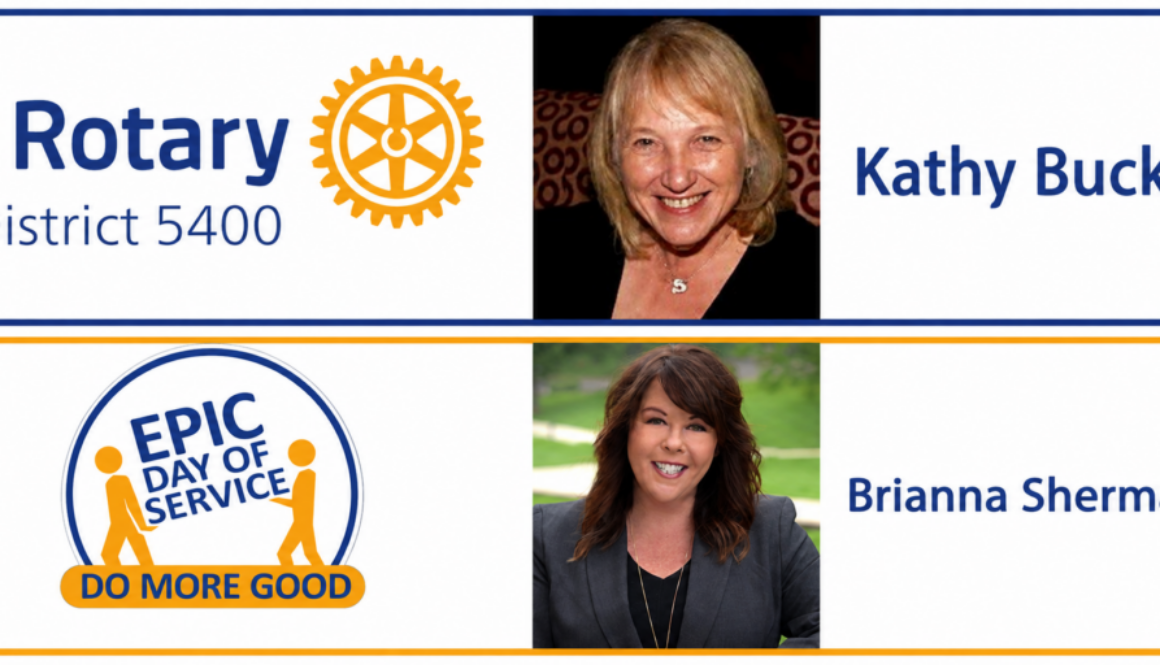
Rotary Leaders Reimagine Global Service and Community with Kathy Buck and Brianna Sherman
From Idaho to India, Rotary leaders are building a more connected, action-driven future for service and environmental stewardship.
Introduction
At a time when many organizations struggle to engage younger generations and sustain community involvement, Rotary leaders are exploring new ways to connect people through meaningful service. During a recent Earth Talks gathering hosted by the Rotary Earth Network Club, two Rotary leaders — District 5400 Governor Kathy Buck and Epic Day of Service Global Expansion Chair Brianna Sherman — shared a hopeful vision for the future of Rotary: one rooted in collaboration, adaptability, environmental action, and global participation.
The May 14, 2026 meeting highlighted how Rotary clubs, including growing online and international e-clubs, are reshaping service to meet modern challenges while preserving Rotary’s long-standing commitment to community impact. From environmental stewardship to global volunteerism, both speakers emphasized that Rotary’s greatest strength lies not in tradition alone, but in its ability to evolve together.
Kathy Buck, District Governor for Rotary District 5400, opened the conversation by reflecting on Rotary’s culture of friendship, learning, and collaboration. Brianna Sherman followed with an energetic presentation about Epic Day of Service, a rapidly growing movement encouraging Rotary clubs around the world to participate in one unified day of service each May. Together, the presentations painted a picture of Rotary as both deeply local and powerfully global.
A District Built on Relationships
For Kathy Buck, Rotary has always been about people first.
A retired educator and trainer who has spent 14 years in Rotary leadership, Buck described District 5400 — covering much of southern Idaho and parts of Oregon — as a network of clubs united not by sameness, but by shared purpose.
“What’s important,” Buck explained, “is that clubs are having fun and serving their communities in ways that fit who they are.”
“We are all in this together.” Kathy Buck
That flexibility has become increasingly important as Rotary welcomes newer club models, including online e-clubs like the Rotary Earth Network Club. Buck praised the district’s expanding diversity and highlighted how virtual clubs are creating opportunities for people around the world to connect through shared environmental and humanitarian interests.
Her message was simple but powerful: Rotary works best when clubs support one another instead of operating in isolation.
“We are all in this together,” she said. “When you do a project, we want to know about it, because we want to help.”
Buck also encouraged members to embrace Rotary International’s online learning tools, noting that education and curiosity are essential parts of the Rotary experience. Through Rotary’s Learning Center, members can access leadership training, project guidance, and global perspectives that strengthen local service efforts.
Her leadership philosophy reflects the same practical optimism she developed growing up on a farm.
“I’m really used to making sure you get things planted and harvested and take care of what’s left over and not just throw it away,” Buck said while discussing environmental stewardship and sustainability.
Turning Service Into a Global Movement
While Buck focused on Rotary’s culture of connection, Brianna Sherman challenged clubs to think even bigger.
Sherman described Epic Day of Service as an effort to unite Rotary clubs worldwide through one coordinated day of community action. Although Rotary clubs serve year-round, she explained that Rotary had never before established a truly global day of service.
But Epic Day is about more than volunteering.
“What we’re talking about,” Sherman said, “is Rotarians going out, creating community projects, and inviting the community into Rotary through service.”
Key Takeaways
- Rotary leaders emphasized collaboration over competition between clubs and districts.
- Epic Day of Service invites communities into Rotary through hands-on local projects.
- Environmental projects can include education, pollinator support, and native planting.
- E-clubs are expanding Rotary’s reach across generations and global communities.
- Global service visibility helps attract new members and strengthen Rotary’s impact.
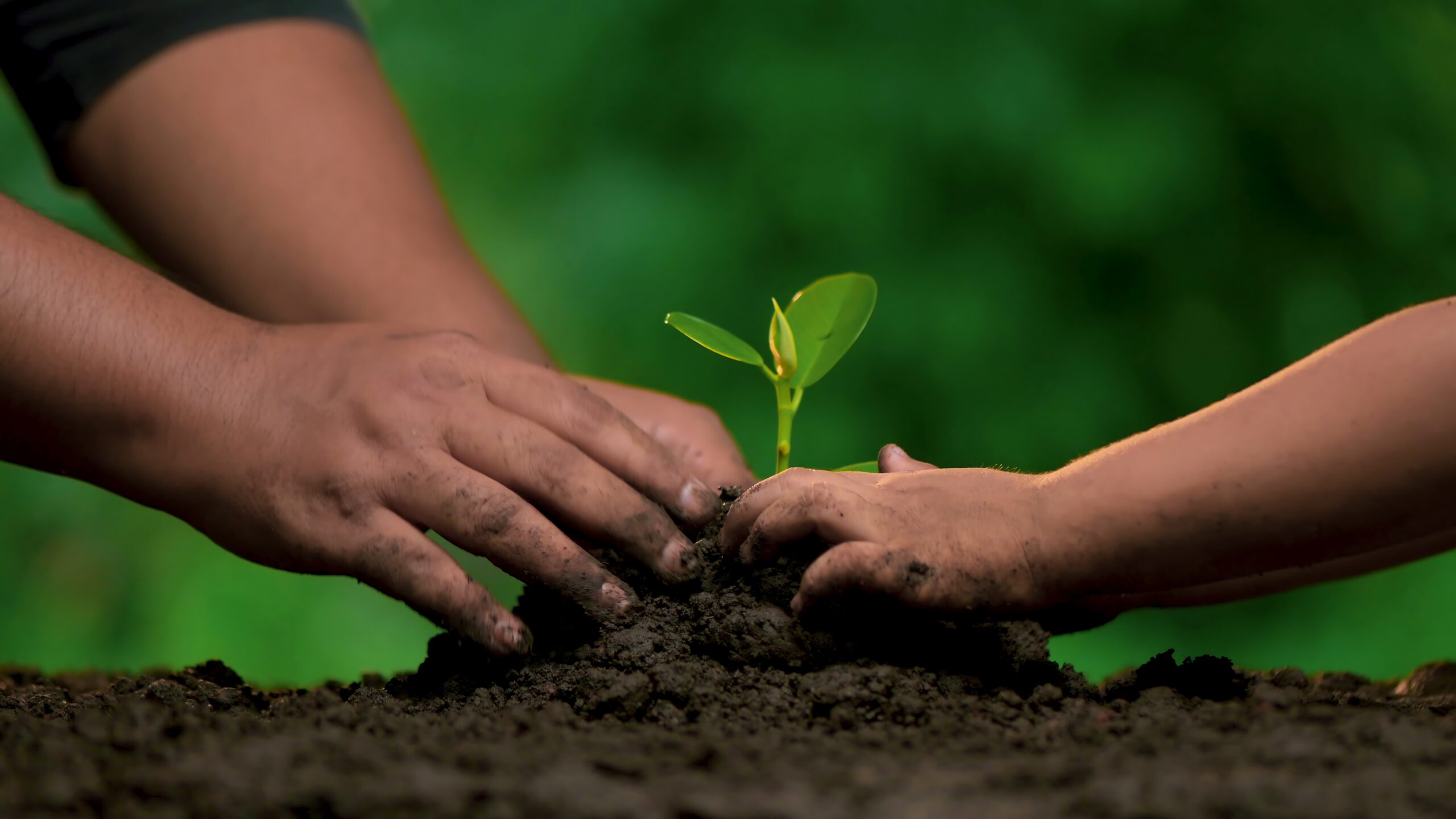
That distinction matters. Instead of simply organizing projects for Rotarians, Epic Day encourages clubs to involve neighbors, families, and local residents directly in service work. The goal is to help communities experience the joy and impact of service firsthand — and, in the process, better understand what Rotary represents.
Sherman believes this approach is especially important for engaging younger generations.
“Many people in the next generation are looking for: How can I feel, see, and be a part of the difference that is being made in the world?” she explained.
For younger professionals, parents, and community members with busy schedules, flexible and mission-driven service opportunities can be more accessible than traditional weekly meetings. Sherman noted that newer Rotary club models, including e-clubs, are helping Rotary adapt to modern lifestyles while remaining focused on meaningful community impact.
Environmental Action as Community Building
Environmental projects emerged as a major theme throughout the discussion.
Sherman highlighted how pollinator initiatives, native planting projects, and habitat restoration efforts have become central parts of many Epic Day activities. She encouraged Earth Network members to think creatively about environmental service — not just through large cleanup events, but through small, locally meaningful actions.
“Invite your friend or family to plant a native plant with you,” Sherman suggested. “Or remove an invasive species, or commit to stopping using pesticides.”
She emphasized that environmental action can also include public education. In her district, clubs recently hosted educational events about pollinators, drought, and ecosystem health to help community members understand why these issues matter.
“Invite the community into Rotary through service.” Brianna Sherman
Importantly, Sherman stressed that every Rotary club should serve in ways that align with its own identity and passions.
“If your passion is veterans, serve veterans. If your passion is the Earth, serve the Earth,” she said.
That philosophy strongly resonated with the Rotary Earth Network Club, whose members span multiple continents and focus heavily on sustainability, biodiversity, and climate-related education.
The Power of Global Participation
One of the most inspiring moments of the discussion came as participants reflected on the truly international nature of the Earth Network Club.
Members joined the meeting from locations including India, the Philippines, Ghana, Costa Rica, Japan, and across the United States. Some attended late at night or early in the morning simply to participate in the conversation.
Sherman believes this global connectivity represents Rotary’s future.
“What happens when service projects start showing up all over the world on one day?” she asked. “All of a sudden, we’re reminded that we are a global network of people.”
“If your passion is the Earth, serve the Earth.” Brianna Sherman
The Epic Day global map, which allows clubs to register service projects visible to the public, has become a symbol of that interconnectedness. Sherman encouraged the Earth Network Club to use the platform to showcase environmental projects occurring in multiple countries simultaneously.
The initiative is already helping clubs collaborate more frequently across districts and regions. According to Sherman, clubs that once operated independently are increasingly partnering together on shared service projects, strengthening Rotary’s collective impact.
Practical Takeaways & Implications
The Earth Talks conversation offered several lessons for Rotary clubs and community organizations seeking to strengthen participation and impact.
First, flexibility matters. Both speakers emphasized that service organizations must adapt to changing lifestyles, technologies, and community expectations. E-clubs, hybrid meetings, and project-based participation models are helping Rotary reach people who may not have engaged in traditional formats.
Second, environmental action works best when it feels personal and local. Native planting, pollinator support, habitat restoration, and sustainability education are approachable ways for individuals and clubs to create meaningful change close to home.
Third, visibility matters. Epic Day of Service demonstrates that coordinated action can amplify awareness and inspire broader participation. By inviting communities directly into service projects, Rotary clubs can strengthen public understanding while building future membership.
Finally, collaboration remains Rotary’s greatest strength. Whether connecting clubs across Idaho, coordinating global environmental projects, or sharing ideas across continents, both Kathy Buck and Brianna Sherman reinforced the idea that service becomes more powerful when people work together.
As Rotary continues evolving in a rapidly changing world, initiatives like Epic Day of Service — and globally connected clubs like the Rotary Earth Network Club — suggest that the future of service may be more inclusive, collaborative, and hopeful than ever before.
About This Earth Talk
About This Earth Talk
Speakers: Kathy Buck and Brianna Sherman
Kathy Buck is the District Governor for Rotary District 5400 and a retired educator and staff trainer. She has served Rotary in multiple leadership roles over the past 14 years and is a strong advocate for collaboration, learning, and community service.
Brianna Sherman is a Rotary leader, entrepreneur, and Global Expansion Chair for Epic Day of Service. She serves in several Rotary leadership roles and works to inspire the next generation through flexible, purpose-driven service initiatives.
Date Presented: May 14, 2026
🎥 Watch on YouTube
🎧 Listen as a Podcast
📖 Read the Blog: Rotary Leaders Reimagine Global Service and Community
🌱 Learn More / Project Links: