
From Volunteer to Visionary with Dr. Anshu Chandra
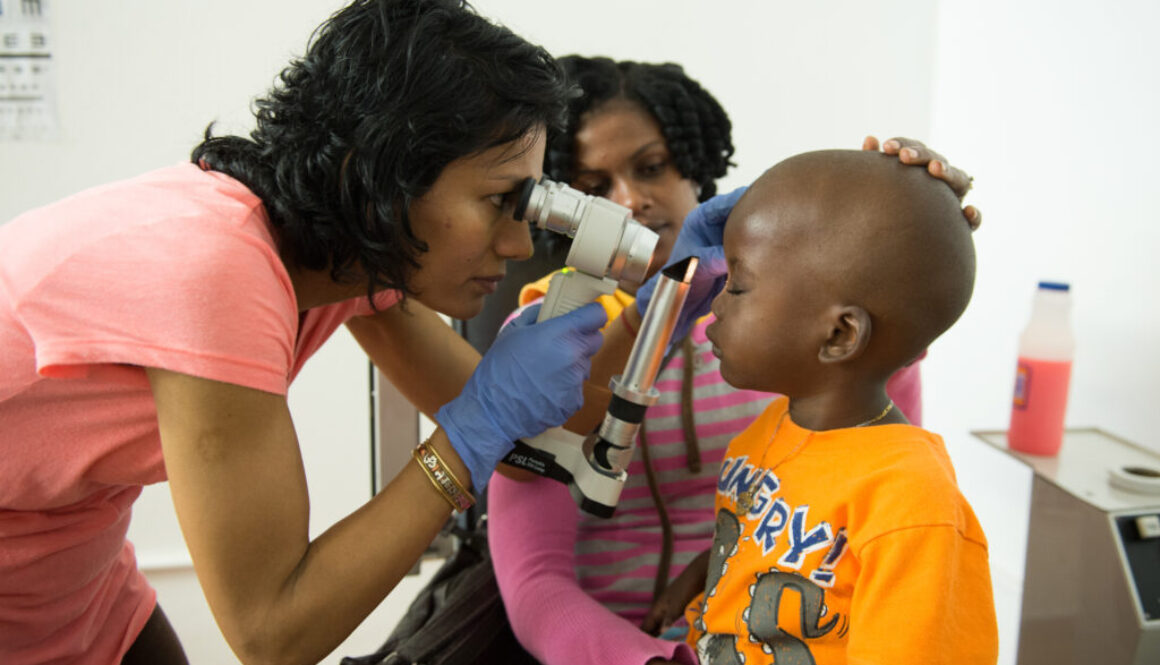
For more than 17 years, Dr. Anshu Chandra has brought eye care to communities often forgotten by the global health system. In rural Haiti, her small clinic has transformed thousands of lives — proving that restoring sight can also restore dignity, independence, and opportunity.
Introduction
A mother arrived at Dr. Anshu Chandra’s clinic carrying her two-month-old baby on the back of a motorcycle after traveling across Haiti’s mountains and rough roads. The child’s eyes had turned white shortly after birth. Desperate for help, the mother slept on the clinic floor, cooking meals beside her child while waiting for treatment.
“She knows life without sight,” Chandra explained during her Earth Talk. “No opportunities, no independence, loneliness, and unsafe. She would do anything for her child to see.”
“People were going needlessly blind, not because it couldn’t be treated.” Dr. Anshu Chandra
For Chandra, stories like this are not extraordinary. They are the reason she has dedicated more than 16 years to providing eye care in underserved communities around the world. What began as a volunteer mission after optometry school became a lifelong commitment — and ultimately a permanent eye clinic in rural Haiti that has now provided more than 120,000 free eye exams and restored sight for thousands.
Today, however, the clinic faces an uncertain future amid ongoing instability in Haiti, making Chandra’s work more urgent than ever.
A Promise That Changed a Career
After completing her residency at the State University of New York College of Optometry, Chandra stood at a crossroads. She had stable job offers in New York City and a clear professional path ahead.
But she also carried a promise she had made before leaving India, where she was born: if she ever had the opportunity to succeed, she would not forget those without access to care.
That promise led her to the Himalayas for her first volunteer eye camp. There, she witnessed both the transformative power of basic eye care and the devastating consequences of its absence.
Some patients walked for six hours just to receive an exam. Children saw clearly for the first time after receiving glasses. Elderly patients regained the ability to cook, sew clothing, and care for themselves.
But not every story ended well.
One man, a 40-year-old monk, arrived after hearing that “doctors from America” were visiting. He told Chandra his world had gone completely dark and asked whether anyone could bring back the light.
“He was completely blind from glaucoma,” she recalled. “There was nothing I could do.”
The experience changed her understanding of healthcare access. The tragedy was not simply blindness — it was preventable blindness.
“It didn’t have to be this way,” she said.
Beyond Short-Term Missions
Chandra soon realized that temporary medical missions, while valuable, could not solve systemic problems. Communities needed consistent, year-round care delivered by trained professionals.
That realization became especially clear when she began working in Haiti in 2010.
In Fond-des-Blancs, a rural mountainous region several hours from Port-au-Prince, patients lined up overnight outside hospitals waiting for care. Many traveled by donkey or motorcycle over rough dirt roads. Some slept on the ground for days hoping to be seen.
The need was overwhelming.
Key Takeaways
- Preventable blindness remains widespread in underserved communities worldwide.
- Permanent local clinics create lasting impact beyond short-term medical missions.
- Simple eye care can restore independence, dignity, and opportunity.
- Training local professionals strengthens long-term healthcare sustainability.
- One person’s commitment can transform thousands of lives.
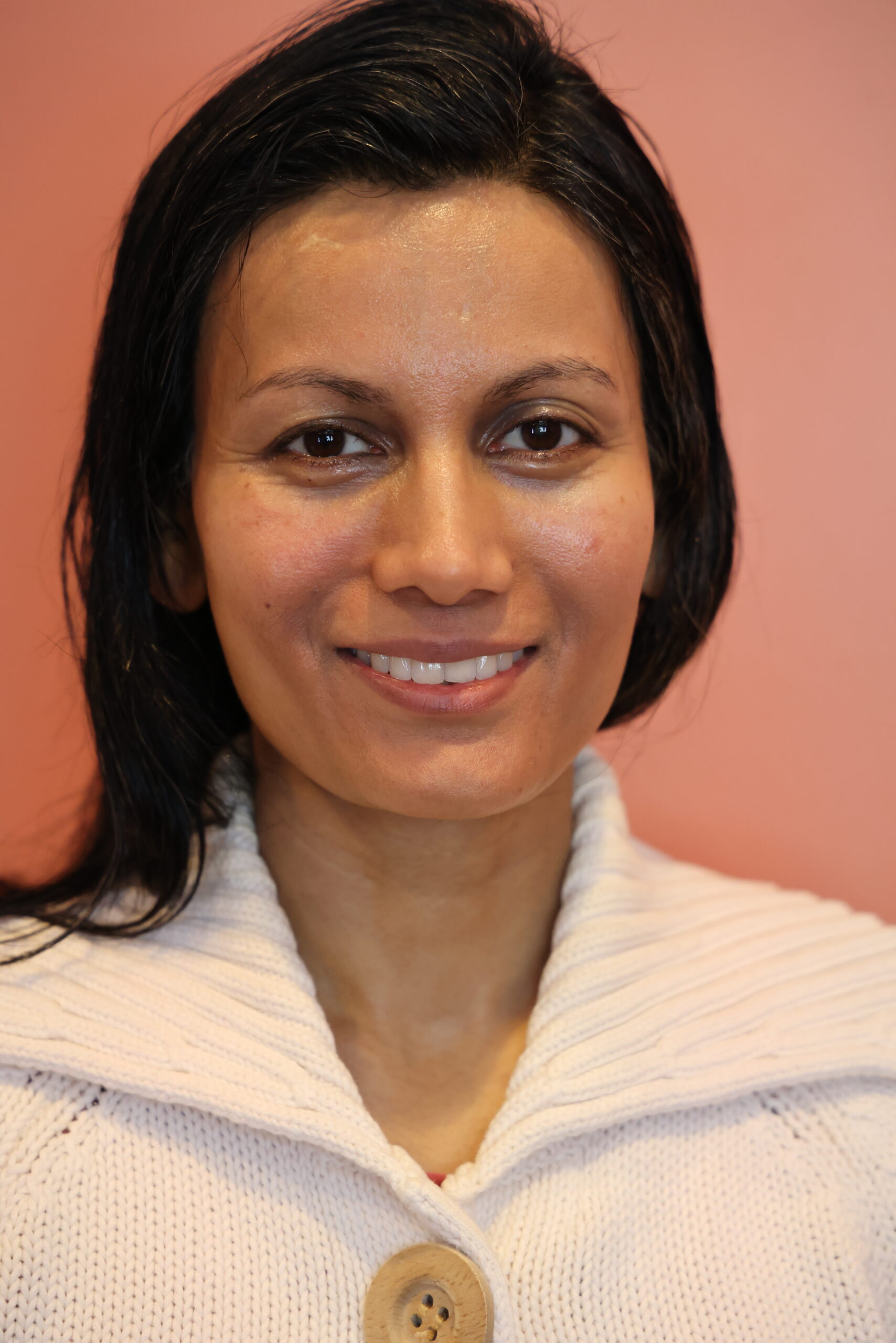
“People were going needlessly blind,” Chandra said. “Not because they had something that couldn’t be treated. They just had no eye care.”
Instead of continuing occasional volunteer trips, she decided to build something permanent.
She downsized her life, moved in with family, paid off student loans, and began raising money for a dedicated eye clinic in Haiti. In 2015, she arrived with two suitcases and a carry-on filled with donated equipment, medications, glasses, and supplies.
The clinic started modestly — one divided room, improvised teaching tools, and hand-drawn eye charts. Supplies were scarce. Internet access was unreliable. Even basic office materials were difficult to find.
But patients came.
And they kept coming.
Building Local Capacity
From the beginning, Chandra understood that sustainability required more than treating patients. Haiti needed trained local eye care professionals.
So the clinic became both a treatment center and a training center.
Chandra began teaching Haitian staff clinical skills, mentoring local providers, and supporting the Haitian Ophthalmology Residency Program in Port-au-Prince. She also collaborated with international colleagues who offered remote guidance when difficult cases emerged.
“I have one aim: to bring darkness into light.” Dr. Anshu Chandra
The approach reflected a broader philosophy: long-term healthcare solutions must empower local communities rather than create dependency.
That work has become increasingly important as Haiti continues to face political instability, economic hardship, and severe healthcare shortages.
Despite these challenges, the clinic has continued operating — often under extraordinarily difficult conditions.
The Human Impact of Sight
Throughout her presentation, Chandra repeatedly returned to one central idea: sight is deeply connected to human dignity.
In wealthier countries, vision problems are often seen as inconveniences. In underserved communities, untreated blindness can mean the loss of education, employment, safety, and independence.
A simple pair of reading glasses may allow someone to prepare food again. Cataract surgery may allow a parent to return to work. Early treatment can prevent a child from losing vision permanently.
For Chandra, restoring sight is about far more than medicine.
It is about restoring connection to family, community, and daily life.
“I have one aim,” she said. “To bring darkness into light.”
Her work also highlights the hidden inequities in global healthcare systems. Millions of people worldwide still lack access to basic eye exams or affordable treatment for conditions that are easily managed elsewhere.
Yet Chandra’s story demonstrates how one person’s commitment — combined with community partnerships and persistence — can create lasting impact.
Hope in the Face of Uncertainty
Today, the Haiti clinic that Chandra built is at risk due to the country’s worsening instability and financial pressures. Continuing operations requires ongoing support, equipment, and international collaboration.
But Chandra remains hopeful.
The clinic’s success has already shown what is possible when healthcare is treated as a human right rather than a privilege. Thousands of people can now see because someone chose not to look away from suffering.
Her message during the Earth Talk was ultimately one of responsibility — and possibility.
“A pair of simple glasses allows people to regain independence and dignity.” Dr. Anshu Chandra
Communities facing healthcare shortages do not only need charity. They need investment, partnership, training, and long-term commitment.
And meaningful change often begins with a single decision: to show up and stay.
Practical Takeaways & Implications
Dr. Anshu Chandra’s work offers important lessons for global health, humanitarian service, and sustainable development.
First, healthcare access remains profoundly unequal worldwide, even for highly treatable conditions like cataracts, glaucoma, and refractive errors. Expanding basic eye care can dramatically improve education, employment, and quality of life.
Second, long-term infrastructure matters more than short-term intervention alone. Temporary volunteer missions may provide immediate relief, but lasting impact comes from permanent clinics, local training, and community partnerships.
Third, sustainability in healthcare depends on empowering local professionals. By training Haitian staff and supporting residency programs, Chandra’s work helps communities build their own medical capacity over time.
Finally, her story reminds us that meaningful humanitarian work is often deeply personal. Systems change can begin with individuals willing to make difficult choices, adapt their lives, and remain committed through uncertainty.
As global crises continue to strain healthcare systems, Chandra’s example shows that compassion paired with persistence can still create measurable, life-changing results.
About This Earth Talk
Speaker: Dr. Anshu Chandra
Dr. Anshu Chandra is an optometrist and humanitarian healthcare leader who has spent more than 16 years delivering eye care in underserved communities worldwide. She leads a permanent eye clinic in Fond-des-Blancs, Haiti, supports mobile clinics, and helps train local eye care professionals.
Date Presented: May 2026
🎥 Watch on YouTube: Link
🎧 Listen as a Podcast: Link
📖 Read the Blog: Link
🌱 Learn more
- Clinic Overview (4 min): https://youtu.be/3pticjDS2EE
- 1-Minute Inside Our Clinic: https://youtu.be/vcwVGbJZ6rMP
- Patient Story: https://youtu.be/dP3opzJ84d4
- Dr. Kaw’s Endorsement: https://youtu.be/bsOLJbqLqV8
- Local Feature: https://www.news10.com/news/local-news/meet-the-capital-region-optometrist-bringing-eye-care-to-those-in-need/
Please contact info@earthnetworkrotary.org to learn how your club or organization can help, support, and give.