
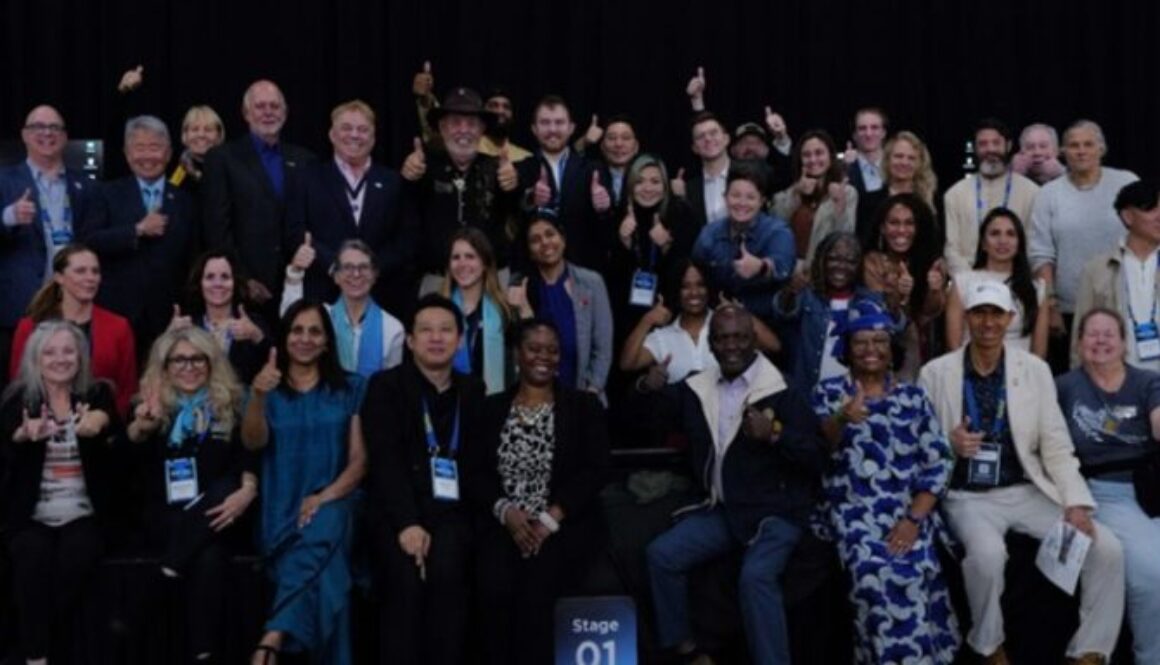
The X-Factor, What Made the Environmental Xperience Unforgettable with Steve Bender, Anysa Santini, and Laurie Zuckerman
What turns an environmental event into a lasting catalyst for change? At the Environmental Xperience in Dallas, the answer lies in connection, collaboration, and community-driven action.
Introduction
In a world filled with conferences and climate conversations, only a few experiences truly stay with people—shaping how they think, act, and collaborate. The Environmental Xperience in Dallas, held April 19–22, is one of those rare gatherings.
Bringing together innovators, nonprofit leaders, students, and global experts, the event was designed as an immersive exploration of environmental solutions. At a recent Earth Talks session, three voices—Steve Bender, Anysa Santini (with JC Santini), and Laurie Zuckerman—reflected on what made this year’s experience so powerful.
Their stories revealed that the “X-factor” wasn’t a single feature or even the programming itself—it was the relationships formed along the way. What unfolded over three days wasn’t just a conference, but a living demonstration of what happens when people, purpose, and possibility come together to turn ideas into action.
Key Insights
Designed as a Platform for Action, Not Just Ideas
From the outset, the Environmental Xperience was built with a clear purpose: to move beyond conversation and into tangible outcomes.
The gathering served as “a convergence of vision, leadership, and collective momentum,” where dialogue evolved into direction and partnerships translated into real initiatives.
This aligns closely with what attendees experienced on the ground. Rather than isolated sessions, the event functioned as a coordinated ecosystem—bringing together policymakers, entrepreneurs, scientists, and community leaders to actively shape solutions.
“Real climate progress happens when ideas turn into action.” Steve Bender
Steve Bender emphasized this shift in approach. The goal was not just awareness, but implementation—creating a space where solutions could be explored, refined, and advanced across sectors.
The lesson is clear: meaningful environmental engagement scales when it invites participation, not just observation.
Immersive, Multi-Track Experiences Deepen Engagement
One of the defining features of the event was its immersive structure. Instead of a single-stage format, the Environmental Xperience offered multiple themed tracks—ranging from energy and oceans to food systems, investment, and resilience.
This design allowed participants to navigate topics based on their interests while still being exposed to interconnected issues. The event hosted over 150 speakers across three days and featured a wide range of sessions, panels, and workshops.
Steve Bender and his team created a “living ecosystem” of ideas, where attendees could move between stages, interact with technologies, and engage directly with experts.
The result was a more dynamic learning environment—one that encouraged curiosity, cross-pollination of ideas, and deeper understanding.
Global Participation Creates Real Momentum
The Environmental Xperience wasn’t just large—it was global.
Participants came from more than 100 countries, representing diverse sectors and perspectives. This diversity proved critical. Climate challenges are inherently complex, and solutions require collaboration across geographies, industries, and cultures.
Key Takeaways
- Environmental Xperience prioritizes action over awareness through real-world collaboration
- Immersive, multi-track design deepens engagement and learning
- Global participation strengthens innovation and problem-solving
- Accessibility expands inclusion and impact
- Strong community connections drive lasting outcomes
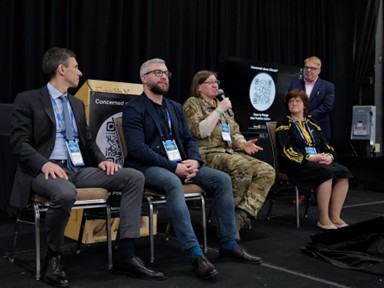
Anysa Santini’s work with Re|Root Collaborative, for example, connects waste management, public health, and economic opportunity in Ghana. Her presence at the event highlighted how local challenges are deeply tied to global systems—such as textile waste flows from developed countries.
By bringing these perspectives together, the event created opportunities for shared learning and collective problem-solving.
Accessibility Expands Who Can Participate
A key—and often overlooked—factor in the event’s success was accessibility.
Organizers made a deliberate effort to lower barriers to participation, including offering thousands of complimentary tickets for students, nonprofit leaders, and emerging voices.
This decision reflects a broader understanding: meaningful climate action requires inclusive participation. Innovation doesn’t come only from established leaders—it often emerges from young professionals, grassroots organizations, and underrepresented communities.
The presence of students, early-stage nonprofits, and global volunteers added energy and diversity to the event—making it not just a gathering of experts, but a platform for the next generation of changemakers.
When Plans Shift, Community Becomes the X-Factor
Interestingly, not everything went exactly as planned—and that turned out to be part of the magic.
As Laurie Zuckerman shared, attendance patterns and logistics required the team to adapt in real time. But instead of limiting impact, this created space for deeper connection.
“The power of this experience was in the connections we built.” Laurie Zuckerman
Participants showed up for each other—attending sessions, supporting presentations, and building relationships across cultures and sectors. What might have been a large, transactional event became something more personal and collaborative.
“We built deeper, more meaningful connections,” Zuckerman reflected—highlighting that the true value wasn’t just in numbers, but in relationships.
This aligns with the report’s emphasis on the event as a “platform where connections translated into tangible initiatives with global reach.”
Storytelling Extends Impact Beyond the Event
The Environmental Xperience didn’t end when the event closed. Its impact continues through storytelling, partnerships, and follow-on collaborations.
The Earth Talks session itself is part of that extension—capturing lessons, sharing experiences, and inspiring others who couldn’t attend.
“Global challenges require solutions shaped by diverse voices.” Anysa Santini
From nonprofit showcases to youth innovation projects, the stories emerging from the event help translate large-scale ideas into relatable, actionable insights.
This ripple effect is essential. Events can spark momentum, but storytelling sustains it—turning moments into movements.
Practical Takeaways & Implications
The Environmental Xperience offers valuable lessons for anyone designing programs, events, or initiatives in sustainability:
- Build for action, not just awareness
Design experiences that connect people to real solutions and next steps. - Create immersive environments
Multiple tracks and interactive elements deepen engagement and understanding. - Prioritize global and cross-sector collaboration
Diverse perspectives lead to more effective and scalable solutions. - Make participation accessible
Lower barriers to include students, nonprofits, and emerging leaders. - Embrace adaptability
Unexpected challenges can create opportunities for deeper connection and innovation. - Extend impact through storytelling
Capture and share insights to inspire broader audiences and sustain momentum.
For organizations and leaders, the message is clear: the future of climate action lies in connection. When people, ideas, and opportunities come together in the right environment, meaningful change becomes not just possible—but inevitable.
About This Earth Talk
About This Earth Talk
Speakers:
- Steve Bender – Director, US Green Chamber of Commerce; CEO, Sea 2 Sky Solutions; Global Head of Strategic Partnerships at EarthX
- Anysa & JC Santini – Co-Founders, Re|Root Collaborative; leaders in global health and waste reduction
- Laurie Zuckerman – Co-Founder, Earth Talks Foundation; environmental educator and global dialogue facilitator
Date Presented:
April 2026
Links:
Links:
📖 Read the Blog
🎥 Watch on YouTube
🎧 Listen as a Podcast
🌱 Learn more / Project links